Utah Mule Deer Hunting Guide: Units, Preference Points, Draws and Costs
Reviewed September 1, 2026: This guide uses the Utah Division of Wildlife Resources’ 2026 Big Game Application Guidebook (version 2026.5), 2026 Big Game Field Regulations Guidebook (version 2026.1.2), current fee page, point-system guidance and Hunt Planner. Hunt numbers, quotas, dates, fees, access, closures and field rules can change. Check the current Utah DWR guidebooks and corrections before applying, purchasing or traveling.
Mule deer hunting in Utah starts with a permit decision, not a unit reputation. General-season buck deer, limited-entry deer, premium limited-entry deer, Cooperative Wildlife Management Unit opportunities and the Dedicated Hunter program follow different allocation rules, costs and conditions. The useful planning question is: Which exact hunt number fits the hunter, weapon, dates, access and budget?
Research disclosure: Big Game Ledger has not hunted Utah. This guide is based on current Utah DWR materials and is not a substitute for the controlling guidebooks, administrative rules, permit conditions or emergency orders.
Use the Western big-game application deadlines calendar to organize future draw research, but verify every Utah date through the agency. Utah has not published the next annual application schedule merely because the 2026 cycle has closed.
Utah mule deer planning at a glance
- The 2026 big-game application period ran March 19–April 23, with results due by May 31. Those dates describe the 2026 cycle, not a standing annual schedule.
- General-season buck deer uses preference points. Limited-entry and premium limited-entry buck deer use bonus points.
- A valid Utah hunting or combination license is required to apply for a big-game permit or a deer point.
- The official Utah Hunt Planner provides hunt boundaries, biologist notes, public-land context, population and harvest information, and current hunt details.
- Historical draw odds measure earlier demand and permit supply; they do not guarantee the next result.
- The hunt number, permit, boundary description and current field guidebook control—not a third-party map or a familiar unit name.
How mule deer hunting in Utah works
General-season buck deer
General-season buck deer hunts are assigned through Utah’s preference-point drawing. A general-season deer preference point can be used across general-season deer choices rather than belonging to one unit. An unsuccessful permit application earns a point, and a hunter may instead apply for a point only; Utah does not allow the same hunter to apply for both the permit and the point in the same drawing. Drawing or purchasing a remaining general-season buck deer permit can remove accumulated preference points, so confirm the consequence before accepting a permit.
Limited-entry and premium limited-entry deer
Limited-entry deer uses Utah’s bonus-point system. A bonus point improves a future drawing opportunity but is not a guarantee. The hunt tables distinguish limited-entry, premium limited-entry, multiseason, management and restricted-weapon opportunities. Read the exact row and footnotes; similar unit names can carry different hunt numbers, dates and legal equipment.
CWMU and Dedicated Hunter options
Cooperative Wildlife Management Units combine private-land management with public permit opportunities under program-specific rules. Utah’s Dedicated Hunter program is a separate multiyear commitment with service and participation requirements. Neither should be treated as a simple substitute for a general-season permit. Start at Utah DWR’s big-game program page and read the current program details before comparing costs or access.
Preference points versus bonus points
| Utah deer opportunity | Point system | Planning implication |
|---|---|---|
| General-season buck deer | Preference points | Points prioritize applicants in the general-season drawing; drawing a permit removes those points. |
| Limited-entry or premium limited-entry buck deer | Bonus points | Points improve drawing chances but do not create a guaranteed threshold. |
| Point-only application | Corresponding point type | A hunter may choose a point instead of a permit application for that category, subject to current eligibility and deadlines. |
Read Utah DWR’s current bonus- and preference-point explanation and permit-drawing overview. For 2026, the point or permit application fee was $10 for residents and $21 for nonresidents, in addition to the required qualifying license. Verify future fees before submitting payment.
2026 Utah buck deer season framework
The dates below summarize the 2026 general-season framework from the official application guidebook. They are not universal dates for every deer permit. Extended archery, limited-entry, management, multiseason and special hunts can differ, and restricted-weapon hunts apply only where listed.
| 2026 general-season hunt type | Published dates |
|---|---|
| Archery | Aug. 15–Sept. 11 |
| Muzzleloader or restricted muzzleloader | Sept. 23–Oct. 1 |
| Early any legal weapon, on listed units | Oct. 7–11 |
| Any legal weapon or restricted rifle | Oct. 17–25 |
Use the current Big Game Application Guidebook for hunt tables and the Big Game Field Regulations Guidebook for in-season rules. Confirm corrections on the agency’s big-game page before travel. Extended-archery hunters must also complete Utah’s required annual ethics course and carry proof when the current rules require it.
Choose the hunt with maps, data and access
Utah deer country ranges from high-elevation forest and aspen to canyon breaks, pinyon-juniper, sagebrush and desert mountains. Habitat is only one decision layer. Use the Hunt Planner to compare the exact hunt’s boundary, weapon, dates, management notes, population information and harvest history. Then verify land ownership, legal entry, seasonal roads, wildfire restrictions and the pack-out route.
- Boundary: read the legal description and compare it with the official map.
- Access: determine whether public ground is practically reachable without crossing private or Tribal land.
- Season: match scouting observations to the dates and legal weapon printed for the hunt.
- Pressure: compare permit levels and several years of harvest information without converting the data into a trophy promise.
- Recovery: plan water, cooling and pack-out time for the hardest realistic location.
Utah DWR does not guarantee access to every public or private parcel inside a hunt boundary. The agency’s Walk-in Access Program can add lawful opportunities on enrolled private property, but each property’s dates and rules must be checked. Offline commercial maps are planning aids, not permission or legal boundary documents. See Big Game Ledger’s Maps & Apps section for a broader mapping workflow.
Use draw odds without treating them as a forecast
For each candidate, save the hunt number and review the same resident or nonresident applicant pool. Utah directs hunters to its current draw-odds system for 2026-forward results and its historical results archive for earlier years. Compare multiple years of permits, applicants and choice behavior. A single apparent “point requirement” can move when quotas or demand change.
Current Utah mule deer cost checkpoints
Utah DWR’s fee page listed the following adult costs when reviewed September 1, 2026. These numbers can change and are not the total trip cost.
| Item | Resident | Nonresident |
|---|---|---|
| Adult basic hunting license | $40 | $144 |
| Draw application fee, per species | $10 | $21 |
| General-season buck deer permit | $46 | $599 |
| Limited-entry buck deer permit | $94 | $1,070 |
| Premium limited-entry buck deer permit | $185 | $1,398 |
The nonresident deer permit listings include a 365-day fishing license, but Utah still requires a valid hunting or combination license to apply. Confirm age-specific pricing, program fees, payment timing and refund rules on the official Utah license and permit fee page. A complete budget should also include scouting or map subscriptions, travel, lodging or camp, fuel, meat care, processing, pack-out help and a contingency reserve.
CWD, tagging and mandatory reporting
Utah’s 2026 field regulations require a CWD sample from a harvested buck deer on three specified hunts: Castle Valley limited-entry any legal weapon, Moab Valley limited-entry any legal weapon and Ogden general-season any legal weapon. That list is season-specific. Check the current Utah CWD page and the exact hunt table for testing instructions, check-station information and carcass-movement precautions.
Harvest reporting is required for Utah big-game permits even when no animal is harvested. The 2026 field guidebook directs hunters to report within 30 days after the season ends, subject to its detailed instructions and exceptions. Before hunting, confirm the permit’s tagging method, evidence-of-sex requirements, hunter-orange rules, legal weapon restrictions and any e-tag procedure. Also check the carcass-transport rules for every state crossed on the trip home.
A practical Utah mule deer planning sequence
- Choose general-season, limited-entry, CWMU or Dedicated Hunter as the planning lane.
- Confirm eligibility and buy the correct qualifying license only through the current official system.
- Record exact hunt numbers, dates, weapon restrictions and legal animal.
- Compare several years of draw and harvest information for the correct applicant pool.
- Use the Hunt Planner and legal descriptions to prove the boundary and access route.
- Build a complete budget rather than comparing permit prices alone.
- Plan camp, water, glassing, recovery, meat cooling and an emergency exit.
- Before travel, recheck guidebook corrections, fires, road closures, CWD, tagging and reporting.
Common Utah mule deer hunting questions
Do Utah preference points guarantee a mule deer permit?
No. Preference points apply to the general-season buck deer drawing, but permits, applicant demand and choice behavior can change. Limited-entry deer uses bonus points instead, and bonus points also do not guarantee a permit.
Can a nonresident apply for Utah mule deer?
Yes, for eligible opportunities under the current nonresident allocation and application rules. A nonresident must meet Utah’s license, hunter-education and application requirements and should compare the nonresident pool—not resident odds—for the exact hunt number.
When is Utah mule deer season?
Utah does not have one statewide mule deer season. In 2026, the general framework included archery, muzzleloader, early any-legal-weapon and October any-legal-weapon dates, but the legal dates depend on the exact hunt number and permit. Read the current hunt table and field regulations.
Where can you hunt mule deer in Utah?
Only within the boundary and conditions printed for the permit. Units can include public, private, Tribal, national-park or otherwise closed land. Use the Utah Hunt Planner, ownership records and land-manager rules, and obtain permission before entering private property.
Can a hunter buy a leftover Utah deer permit?
Some permits may remain after a drawing and be sold on scheduled dates, but availability is not guaranteed. Utah warns that purchasing a remaining draw permit can remove the corresponding points and trigger a relevant waiting period. Check the agency’s current remaining-permit page and consequences before purchasing.
Official Utah mule deer planning links
- Current big-game guidebooks, corrections and program links
- 2026 Big Game Application Guidebook
- 2026 Big Game Field Regulations Guidebook
- Utah Hunt Planner
- Bonus and preference points
- Permit-drawing overview
- Current licenses and permit fees
- Current draw odds and point results
- Chronic wasting disease
- Walk-in Access Program
Return to the Mule Deer Hunting hub, use the beginner’s mule deer planning guide, browse Hunt Planning, or compare supporting Maps & Apps.
Source review: Utah DWR 2026 Big Game Application Guidebook version 2026.5; 2026 Big Game Field Regulations Guidebook version 2026.1.2; Utah big-game, points, permits, fees, draw-odds, CWD, Walk-in Access and Hunt Planner resources. Reviewed September 1, 2026. Recheck the live agency pages and guidebook corrections before every application and hunt.
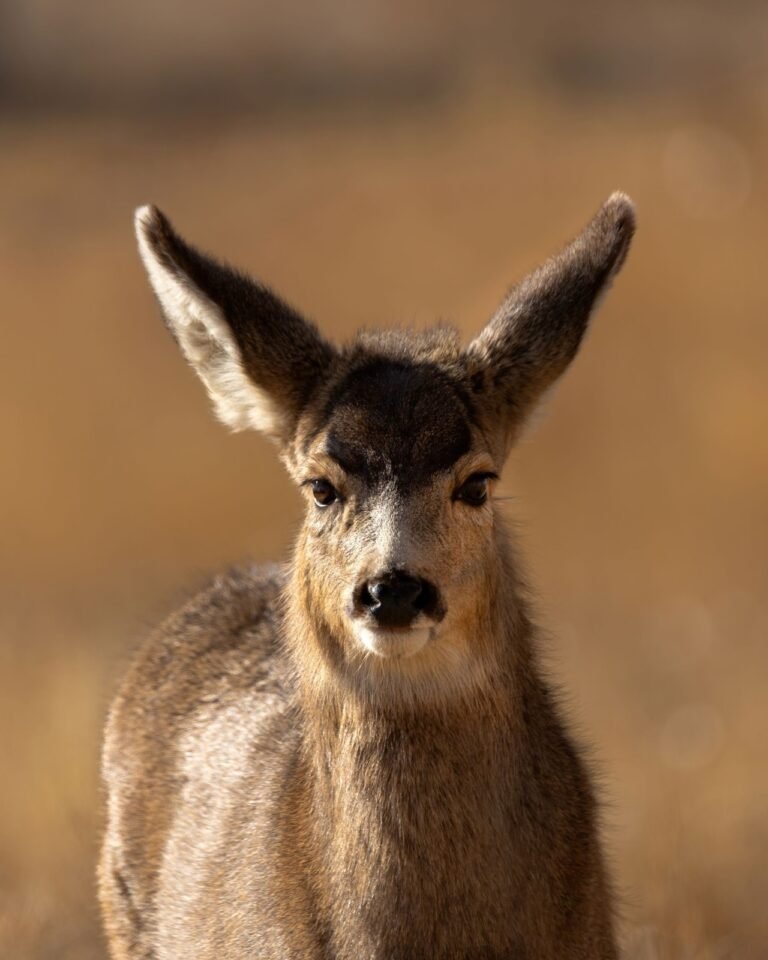
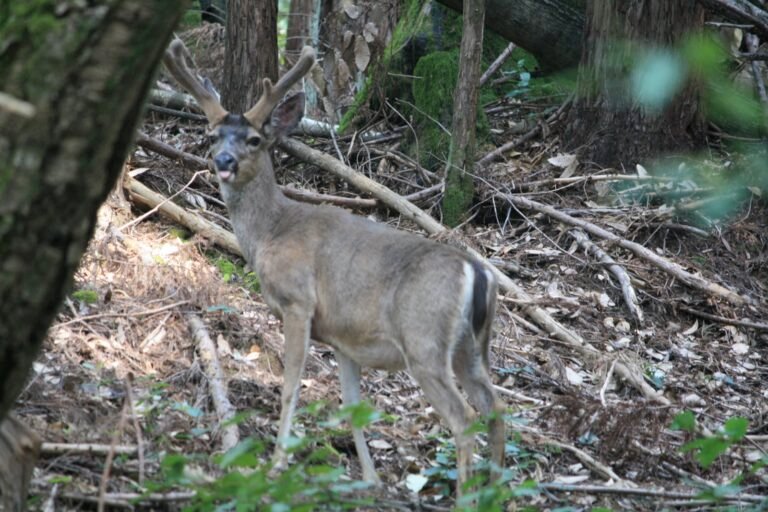
Featured image: Photo by Alex Moliski via Pexels. Photographed in Utah. This photograph is newly assigned to this guide and is not reused elsewhere on Big Game Ledger.