Idaho Moose Hunt Planning Guide (2026)
Application tradeoffs, payment structure and reporting checked September 11, 2026 against IDFG’s 2025–2026 rules and 2026 notices. Both regular 2026 moose application periods have passed; this guide does not imply tags remain available. Recheck the current rules for a later year.
Editorial note: This is a research-based Idaho moose planning guide, not a firsthand hunt report.
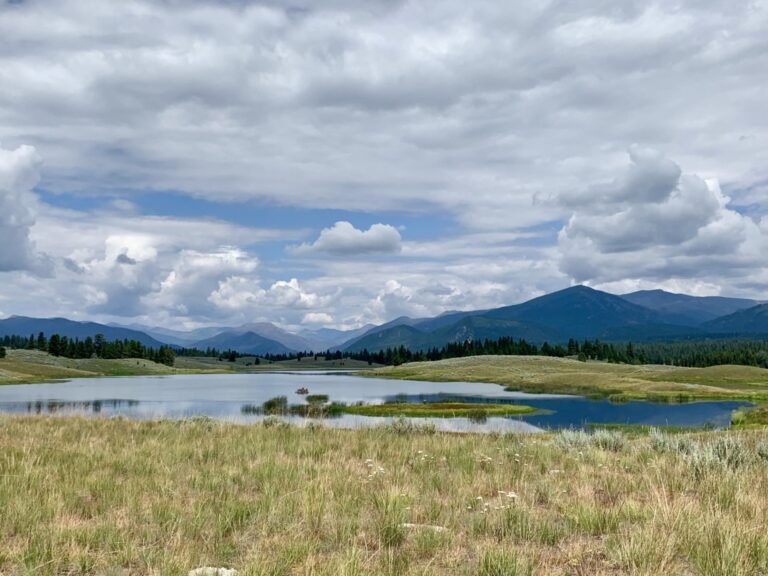
Idaho moose hunting is controlled-hunt only. The state spans North Idaho timber, Clearwater country, Snake River Plain riparian habitat and high eastern basins. The hunt area, legal animal, season and access route must be matched before the April application.
Idaho moose hunt at a glance
| Permit | Controlled hunt tag required |
|---|---|
| Application | April 1–30 under the current state schedule |
| Second draw | Unclaimed tags may be offered through a later application period |
| Lifetime rule | Idaho applies once-in-a-lifetime trophy-species restrictions with specific exceptions; read the current brochure before applying |
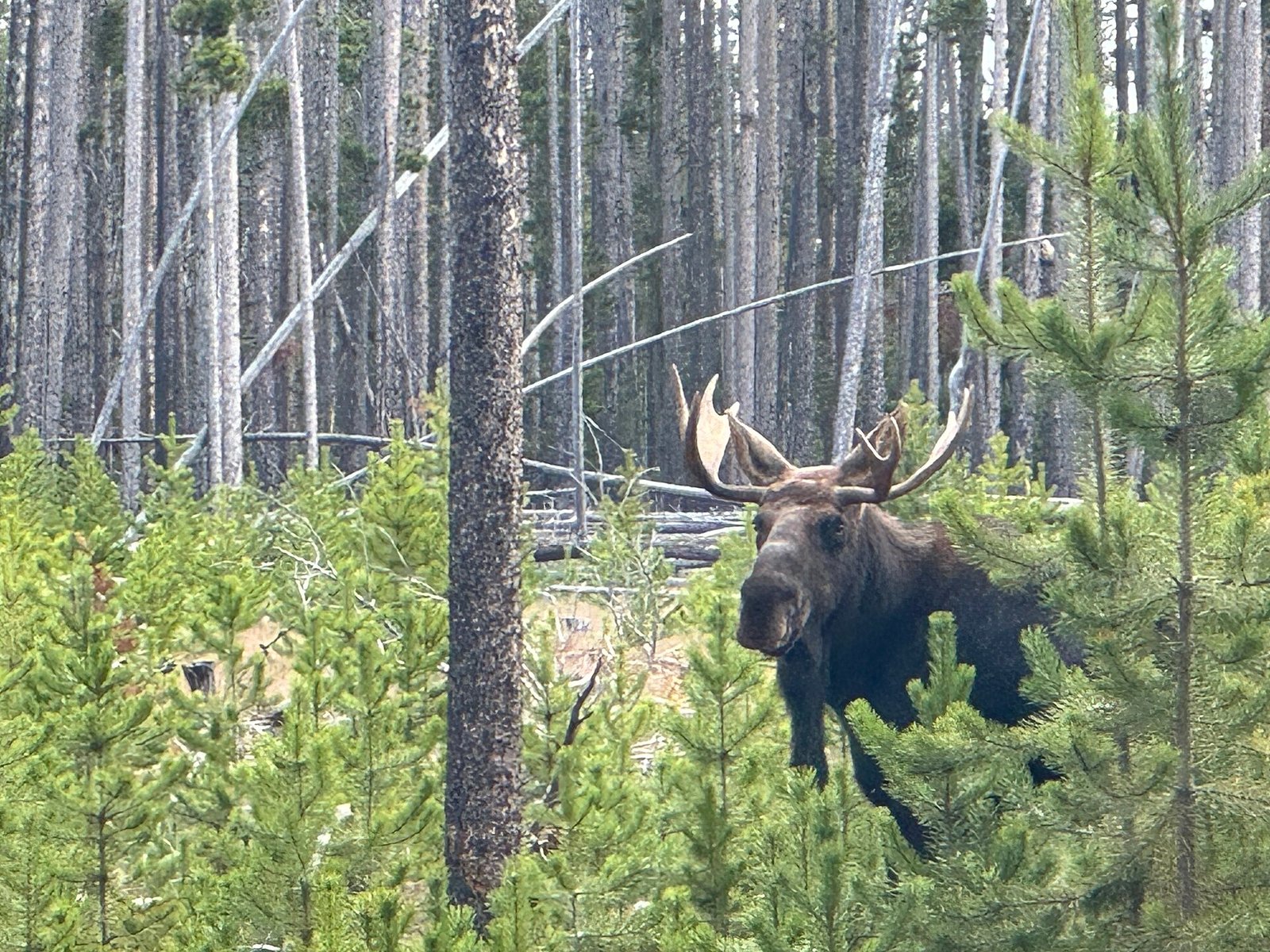
Moose in lodgepole forest. Photo: R. Brian Haas/USDA Forest Service, public domain.
Application structure
A valid Idaho hunting license is required before applying. Moose uses a separate, earlier controlled-hunt window from many Idaho deer, elk and pronghorn applications. Read the exact controlled-hunt number and area; a Game Management Unit name alone is not sufficient.
Idaho explains that a hunter may potentially harvest one bull and one cow moose during a lifetime under the controlling rules, and that leftover or special-program tags can have exceptions. Do not simplify that into “one moose ever.” Confirm personal eligibility with IDFG before submitting.
The tradeoff many multi-state applicants miss
Submitting an Idaho moose application generally rules out applying for most other big-game controlled hunts that year—even if you do not draw the moose. IDFG’s May 11, 2026 results notice specifically reminds unsuccessful applicants of the deer, elk and pronghorn restriction. The controlled-hunt rules, printed page 39, list exceptions, including certain leftover, unlimited and extra hunts. Do not assume an exception covers your intended hunt without checking it.
Example: if your principal plan is an Idaho controlled mule deer hunt and moose is only a speculative extra, compare the two before April. Applying for moose first is not a harmless additional entry. Decide which opportunity matters more, and write down the legal backup if neither application route produces the hunt you wanted. General-season availability is a separate question, not a guaranteed replacement.
Use the Hunt Planner as a screening tool
The Idaho Hunt Planner combines hunt boundaries, seasons, maps, draw odds and harvest data. Compare several years where available, but do not infer future odds from one result. Then measure connected public land, legal road access, steep timber, water crossings and the route to a vehicle.
North Idaho can make visibility and recovery difficult even when mapped road density looks high. Eastern and south-central hunt areas may offer more open willow and riparian habitat but can include private agricultural edges. Call the regional office when current population distribution or access is unclear.
Scouting and field method
- Check willow, alder, burns, cuts, creek bottoms and the boundary between feed and dense cover.
- Glass open basins at first and last light, but keep binoculars ready in timber for legal identification.
- Map fresh sign with date and elevation; do not assume a summer animal remains for the season.
- Plan calling positions with wind and an unobstructed shooting lane, while retaining a non-calling backup method.
Reporting and CWD transport
The moose section, printed page 6, requires successful hunters to report and complete a mortality report within 10 days of the kill; antlered-moose hunters must also present the antlers. Unsuccessful hunters must present or mail unused tags within 10 days after their season closes. Put both possible deadlines on your calendar before departure.
IDFG’s Boise headquarters is not equipped for moose check-in; arrange a conservation-officer or regional-office check. Do not arrive at an arbitrary agency building with a loaded vehicle and assume it can complete the inspection.
CWD testing and carcass transport are separate checks. The brochure’s 2026 mandatory deer-testing language should not be copied onto a moose plan. Moose can still be subject to transport restrictions from designated management zones. Use the current IDFG CWD map and allowable-parts instructions before choosing a processor outside the hunt area.
Recovery plan
Count loaded trips through deadfall, steep ground and wet riparian cover. Bring enough breathable bags, helpers and load-rated packs. Identify the processor or cold storage, but do not assume it will be open or have space. A legal nearby road is useful only if the vehicle is allowed on it and the route remains passable.
Application cash flow: the tag is paid up front
Idaho’s application instructions require moose applicants to submit the tag fee and application fee when applying, in addition to holding a valid hunting license. Unsuccessful applicants receive the tag-fee refund; the hunting-license and application fees are not refunded. This differs from a system where the large tag charge arrives only after selection.
The 2026 opening notice lists a $45.75 nonresident application fee and a $16.75 resident application fee. These figures alone are not the cash needed at checkout: add the applicable tag payment, license and any transaction charge. Verify updated amounts rather than assuming the same budget for 2027.
For your own ledger, keep three lines: paid now, lost if unsuccessful and additional cost if drawn. Then price the trip around the exact hunt boundary, not a generic Idaho road trip. Multiple scouting drives and reserved recovery help may matter more than a modest difference in camp cost.
A better question for the regional office
Instead of asking for “the best moose unit,” bring your hunt number and a map. Ask which mapped roads currently provide legal access, whether the hunt boundary differs from the full GMU, where a successful hunter can complete check-in, and whether recent closures or distribution changes make your proposed camp impractical. Record the date and the official’s answer without treating it as a guarantee of finding an animal.
Official Idaho resources
- Idaho moose hunting
- 2025–2026 moose, sheep and goat rules
- Idaho Hunt Planner
- Controlled-hunt information
- Idaho CWD rules and maps
Next: Compare Idaho with other limited-draw states in the Moose Hunting Hub.