How to Plan an Arizona Mule Deer Hunt: Units, Hunt Numbers, Draws and Costs
Review record: August 24, 2026 season review; September 11, 2026 targeted update to the draw process, over-the-counter archery route and trip-planning sections. License availability, quotas, access, closures, fees and field rules can change. Confirm the exact hunt with Arizona’s wildlife agency before applying, purchasing or traveling.
Arizona mule deer hunting can involve high basins, timber edges, sagebrush, broken canyon country or dry public-land terrain. The meaningful planning unit is the exact license or permit: species, unit, dates, weapon, legal animal and boundary must all match.
Research disclosure: Big Game Ledger has not hunted Arizona. This guide is assembled from current agency regulations, application materials, maps and access resources. Official rules control whenever they differ from this article.
Arizona mule deer planning at a glance
- Arizona’s 2026 fall draw application deadline was June 2 at 11:59 p.m. Arizona time.
- Drawn permit-tag opportunities use a four-digit hunt number. Over-the-counter archery nonpermit-tags follow separate season and harvest-limit rules.
- Arizona mule deer and Coues white-tailed deer are different planning subjects; confirm the species listed for the hunt.
- Species accuracy: verify that the hunt is explicitly valid for mule deer rather than assuming every deer license covers the same species.
Start with the exact hunt, not a reputation
Write down the official hunt code or license name before comparing units. Record the legal deer, dates, weapon, boundary, quota and access notes on one line. A famous unit with the wrong season or unreachable land is not a usable plan.
| Planning layer | Question to answer |
|---|---|
| License | Is this a drawn hunt permit-tag, an available leftover permit-tag or an over-the-counter archery nonpermit-tag? |
| Species | Does the hunt cover mule deer, another deer species or either? |
| Season | What are the legal dates, weapon and animal restrictions? |
| Access | Can the intended public land be reached legally under current road rules? |
| Recovery | Can meat be cooled and removed from the hardest realistic location? |
Draws, points and historical odds
Arizona uses three draw passes. The first can allocate up to 20% of a deer hunt’s permits in descending bonus-point order, considering first and second choices; zero-point applications do not participate in that pass. The next pass considers first and second choices for remaining applicants, using randomized order. Choices three through five are considered afterward. Bonus points improve an application’s random-number opportunity, but do not turn the whole draw into a simple waiting list. Nonresident caps and enough remaining permits for a group can also limit issuance. Read AZGFD’s draw-process explanation before choosing hunts.
Planning implication: do not put a highly competitive hunt in third place and assume it receives the same consideration as your first two choices. Compare your residency, point total, party size and choice position with the corresponding official report. Prior results are a reference, not a promised outcome.
Over-the-counter archery: check two different calendars
A 2026 archery nonpermit-tag and valid license cover eligible open seasons in that calendar year. The unit-and-species harvest limits instead run on an August–January cycle and reset in August. A January trip therefore needs the new calendar-year tag even though its harvest-limit cycle began the preceding August. Nonresident tags are capped and generally sold online first come, first served; “over the counter” is not a promise that a tag remains available.
AZGFD requires an OTC archery deer harvest report within 48 hours. When a unit/species limit is reached, the closure takes effect at sundown on the immediate Wednesday. Check both the published season and the live harvest-limit and closure information before hunting, not just before buying the tag. The annual limit is one deer; taking a deer during OTC archery does not leave a second deer available under a drawn tag that calendar year. See AZGFD’s 2026 archery-tag explanation and the current annual regulations.
Terrain, maps and legal access
Arizona mule deer planning spans plateau forest, canyon country and desert ranges. Verify unit boundaries, public and private land, water availability, fire closures and road condition; heat-aware meat care is essential.
Start with the official hunt-planning or mapping resource, then cross-check federal travel maps, county road status and current fire or emergency closures. Offline maps help in the field but do not replace legal boundary descriptions.
Costs and field logistics
Build the budget from the current agency fee table rather than an old article. Separate license, application/point and tag charges from travel, camp or lodging, mapping, fuel, food, water storage, meat cooling, pack-out help and an emergency margin. Only include additional required charges after checking the current AZGFD fee schedule; do not assume another state’s stamp requirements apply. Do not treat the tag price as the trip price.
Build a usable desert or plateau plan
Use this as a planning exercise, not a claim about conditions in a particular unit. Compare two legal starting points inside your hunt boundary. For each, record the drivable approach, walking distance, elevation change, verified water supply and the return route with a heavy load. A short map distance across a canyon may be a longer recovery than a more distant road-supported ridge.
Work backward from meat care: identify where you can obtain ice or refrigeration, check the provider’s hours, and estimate the drive from the trailhead. Treat an unverified tank or spring as unavailable for your drinking-water plan. Mark an alternative starting point for a road or fire closure; for an archery trip, the alternative must also have a currently open mule-deer season and harvest limit. See the meat-care kit guide for the equipment side of the plan.
Buck expectations and hunt quality
Big country and mature bucks create the appeal, but there is no defensible statewide “average buck size.” Age structure, winter survival, precipitation, migration, pressure and season timing vary sharply. Compare several years of unit-level harvest and age data without turning them into a promise.
Hunter education, CWD and field compliance
Before travel, verify hunter-education eligibility, tagging or E-Tag procedures, evidence-of-sex rules, mandatory reporting, chronic wasting disease sampling and carcass-transport restrictions. Check every state through which meat or parts will travel.
A practical Arizona planning sequence
- Choose hunt style, weapon and total budget.
- Record exact hunt codes and legal species.
- Compare current rules, draw history and quotas.
- Prove legal access and road continuity.
- Plan glassing, water, camp, recovery and meat care.
- Apply through the current agency system and save confirmation.
- Recheck closures, weather, CWD and tagging before travel.
Frequently asked questions
When is Arizona deer season?
Arizona deer dates depend on the hunt number, unit, legal species, weapon and season. Check the current Arizona hunting regulations for the exact hunt rather than relying on a statewide date summary.
How does the Arizona mule deer draw work?
Applicants choose four-digit hunt numbers, not simply a species and unit. Confirm your Customer ID, valid license, deadline, bonus-point rules and exact hunt numbers through the AZGFD big-game draw page.
Where are the boundaries for Arizona Game Management Unit 8?
AZGFD’s Where to Hunt page provides GMU reference maps. The legal unit description in Arizona’s rules controls if a map or third-party layer differs.
Where should I research mule deer in Arizona Unit 22?
Start with the official GMU map and the hunt numbers that authorize deer hunting in Unit 22. Then compare legal access, terrain, roads, seasonal closures and current hunt notes; a unit boundary does not guarantee practical access.
What should an Arizona mule deer trip budget include?
Use current AZGFD license and application fees, then add travel, water logistics, lodging or camp, mapping, meat care and contingency funds. Keep the process organized with the Big Game Ledger planning checklist.
Official Arizona mule deer planning links
Return to the Mule Deer Hunting hub, browse Hunt Planning, or compare supporting Maps & Apps.
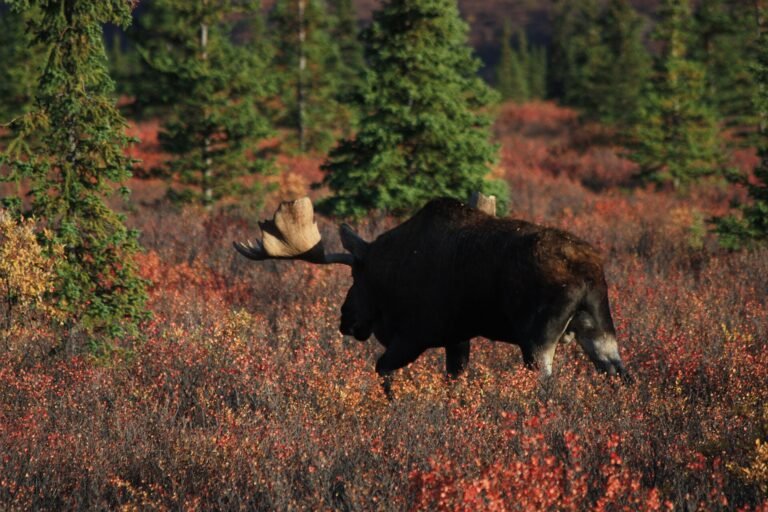
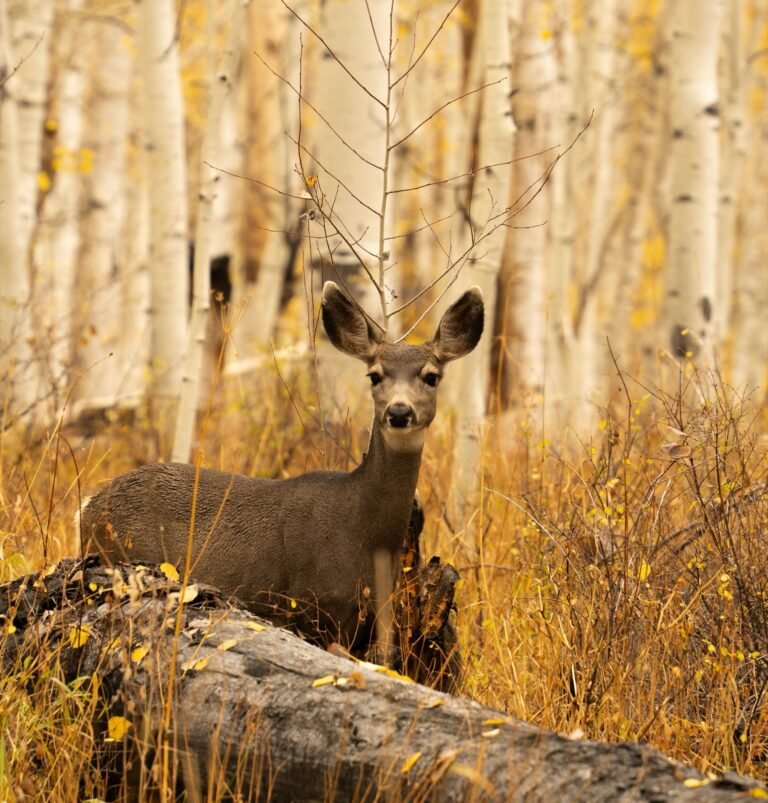
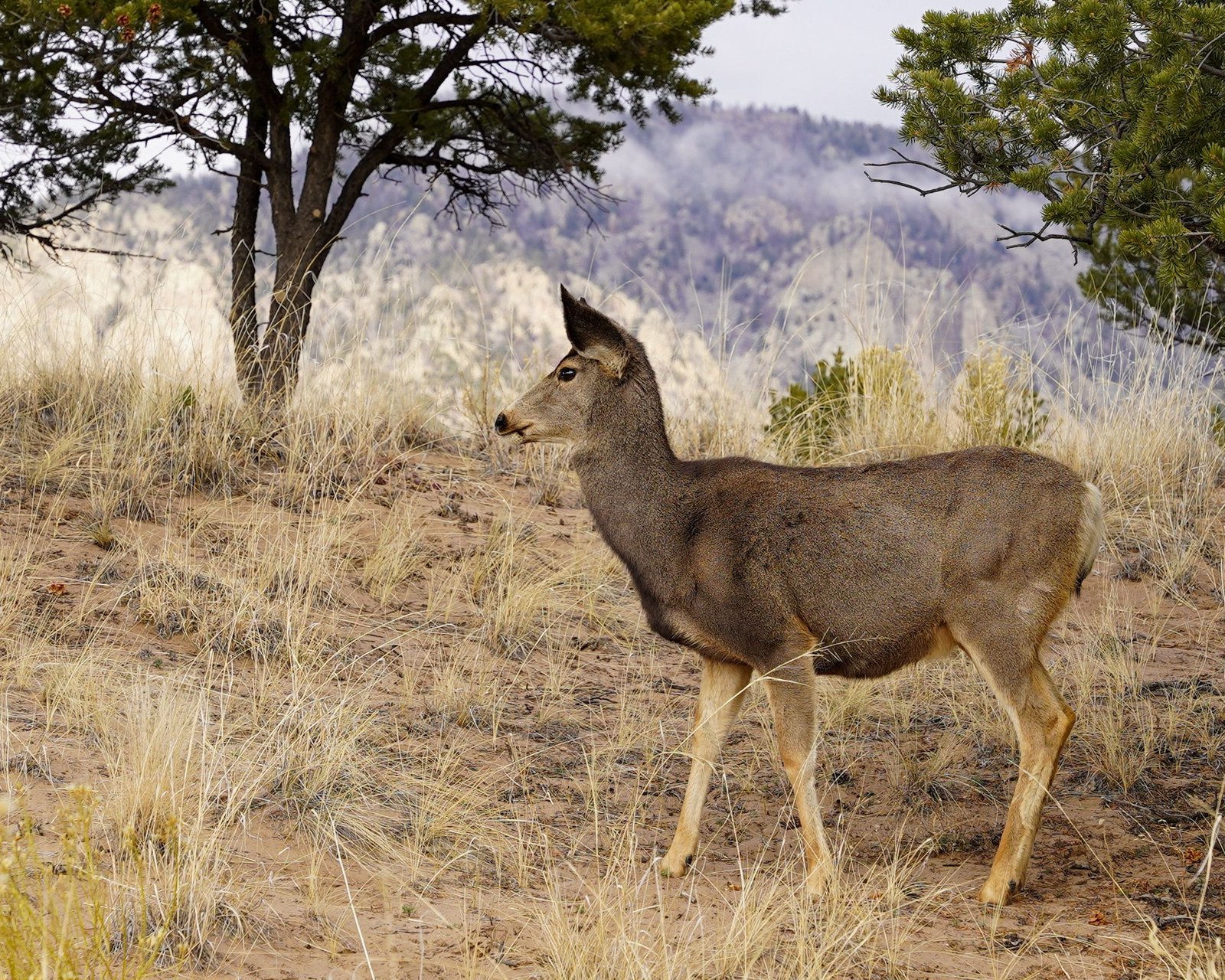
Featured image: Mule deer in open western habitat. Photo by jayjay13 via Pexels; source and license details are recorded in the Media Library.