Utah Pronghorn Hunt Planning Guide (2026)
Permit limits, waiting periods, 2026 application timing and reporting checked September 11, 2026. Regulations, quotas, access and fees can change. Verify every decision with the current agency guide before applying or traveling.
Editorial note: This is a research-based planning guide, not a firsthand hunt report. It contains no affiliate links and does not promise drawing success, animal size or access.
A Utah pronghorn hunt is a limited-entry commitment shaped by bonus points, hunt-specific boundaries and access. Open-looking country can include private parcels, state trust land, CWMU property and roads with different rules, so mapping has to start before the application.
Utah pronghorn hunt at a glance
| Tag structure | Buck pronghorn permits are limited-entry big-game permits; antlerless pronghorn permits use a separate application and preference system. |
|---|---|
| 2026 application timing | The 2026 big-game application period ran March 19 at 8 a.m. MDT through April 23 at 11 p.m. MDT, with notification scheduled by May 31. This application window is closed. A current Utah hunting or combination license is required. |
| Primary planning risk | Applying for a hunt before confirming boundaries, legal access, weapon rules and realistic travel logistics. |
| Best official starting point | Use the current state regulations, draw portal and official mapping resources linked below. |
How the Utah tag system works
Utah uses bonus points for limited-entry buck pronghorn. Points increase opportunity but do not guarantee a permit. Use the exact hunt number from the current guidebook or Utah Hunt Planner and review corrections before submission.
CWMU permits require attention to the participating property and operator’s rules. The 2026 antlerless application window was June 9–23. The limit is one buck pronghorn permit, not one pronghorn permit of every type: eligible hunters may obtain separate buck and doe permits and hunt both in the same year. Each permit has its own legal animal, area and dates. See the 2026 Antlerless Application Guidebook, page 13.
Before submitting, save a screenshot or PDF of the hunt code, season, legal animal, weapon restriction and application receipt. The hunt number selects the opportunity; a familiar unit name or an online recommendation is not enough. If a correction notice appears after the guidebook is published, the agency correction controls.
Check the waiting period before buying another application
The standard limited-entry buck-pronghorn waiting period is two years. The 2026 application guidebook also describes exceptions and different treatment of privately obtained CWMU, conservation, expo and landowner permits. Do not assume a privately purchased permit and a public-draw permit have identical point and waiting-period consequences.
Report the hunt even without a harvest
Mandatory hunt reporting is due within 30 days after the hunt ends; for hunts ending January 16 or later, the deadline is February 15, 2027. A tag that went unused still requires a report. Consult the 2026 application and antlerless guidebooks and the current DWR reporting instructions.
Build the application around access
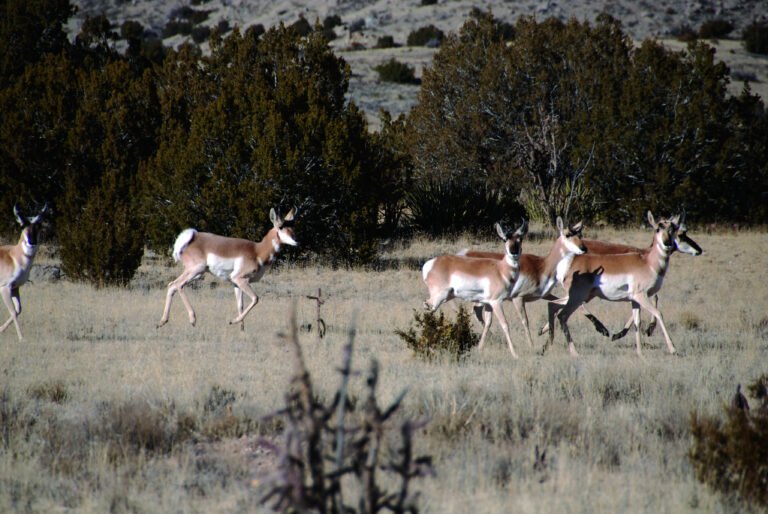
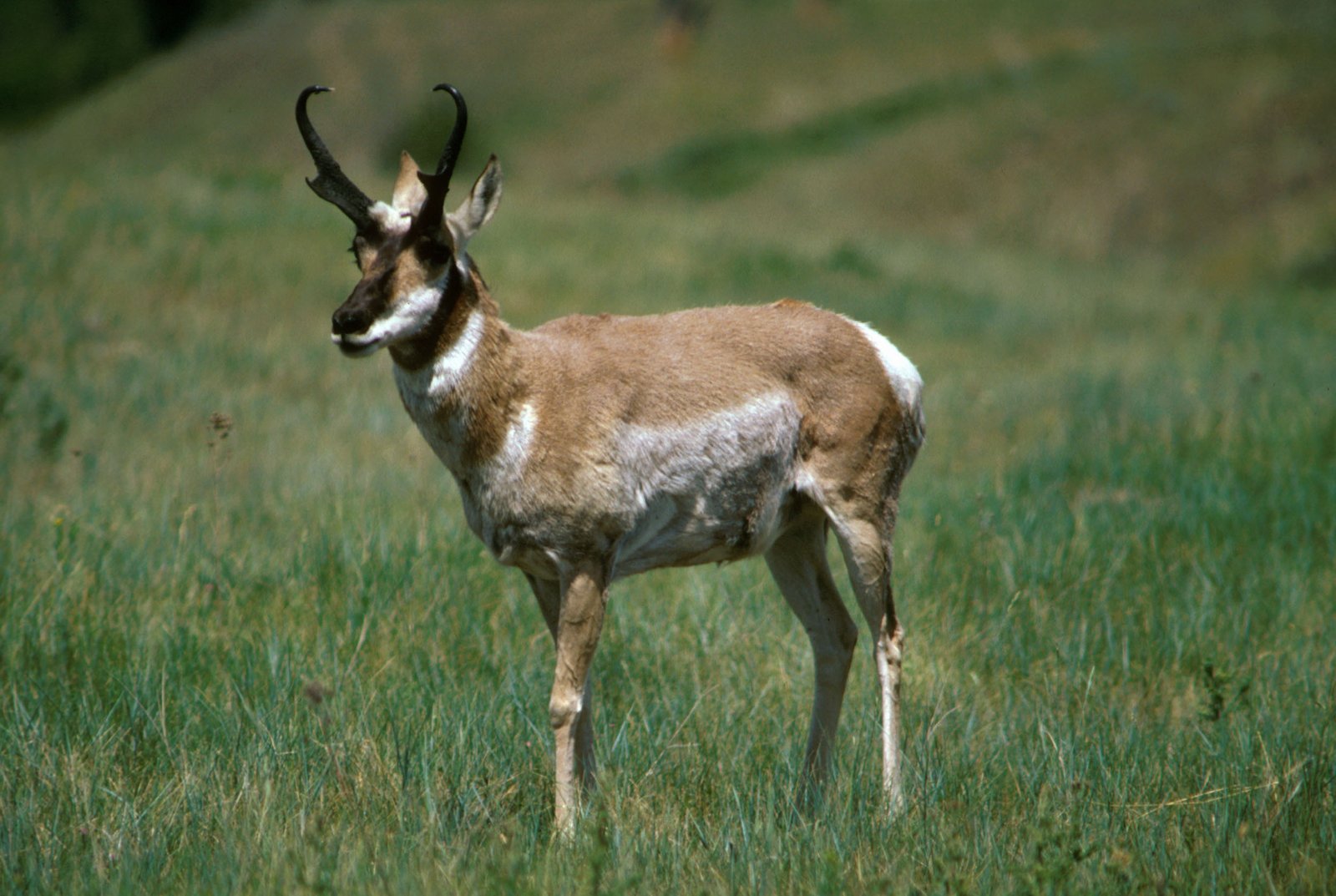
The Utah Hunt Planner is the starting point for boundaries and hunt descriptions. Confirm public-road access, private parcels, state trust requirements and CWMU conditions. The featured photograph is representative species imagery, not evidence that any pictured location is open to hunting.
Utah pronghorn occupy open desert, rolling grassland and shrub country where wind, heat and mirage can complicate judging and shooting. Verify a stable position rather than treating distance as the only challenge.
A practical pre-application map should include the hunt boundary, land ownership, roads, gates, walk-in or access-program parcels, water, glassing points and at least two legal entry routes. Call the land manager or landowner when a road or corner is ambiguous. Digital ownership layers are planning tools, not legal permission.
A six-step unit-screening method
- Confirm eligibility. Check residency, license prerequisites, age or hunter-education rules, waiting periods and group limits.
- Read the exact hunt description. Match hunt number, legal animal, dates and weapon.
- Study real draw data. Compare several years when the agency publishes them; one unusually easy or difficult year can mislead.
- Measure usable access. Count legal entry points and connected public acreage rather than total acreage inside a boundary.
- Plan the trip. Include fuel, lodging or camping, vehicle range, meat care and a weather alternative.
- Choose deliberately. A lower-odds hunt with verified access can be a better application than a famous hunt with no workable route.
Scouting open-country pronghorn
Start with broad terrain rather than a single waterhole. Pronghorn can relocate when forage dries, livestock rotates, roads become busy or hunting pressure increases. Glass at first light, check the same basin from more than one angle, and record where animals cross fences or disappear behind subtle folds.
- Mark groups by time and wind instead of assuming they remain in one field.
- Identify the nearest legal parking point and a concealed approach before evaluating shot distance.
- Recheck access immediately before the season; closures and landowner instructions can change.
- Keep a backup basin or permission property in a different part of the hunt area.
Field strategy: visibility changes the problem
Pronghorn see movement at remarkable distance. A successful approach usually uses a ridge, drainage, cut bank or rolling fold to hide the hunter long before the final position. Drive-by spotting may locate animals, but leaving the vehicle without a route often turns a promising sighting into a long chase.
Wind also affects both approach and shot execution. Build a stable rest, range more than one landmark and wait for a calm cycle. Ethical distance depends on the hunter, weapon, conditions and verified practice—not on what another hunter reports online.
Gear that earns its place
- Binoculars carried on the body, plus a cleaning cloth for dust.
- A tripod or other stable glassing support for judging distant animals.
- An offline mapping app with current land layers, plus a paper or exported backup.
- Rangefinder, wind checker and a tested field rest appropriate to the legal weapon.
- Sun protection, layered clothing and enough water for an unplanned delay.
- Tire repair, inflator, full-size spare and recovery basics for remote roads.
- A compact meat-care kit sized for warm, exposed country.
Budget categories to price before applying
Do not use last year’s forum post as a budget. Price the current license, application fee, tag, any point-only application fee, payment-card timing, travel, lodging, fuel and land-access costs directly from official sources. Add a contingency for a second scouting trip, tire damage and a longer meat-cooling drive.
Final planning checklist
- Current license and hunter-education prerequisites confirmed
- Exact hunt number, legal animal, season and weapon saved
- Draw or point rules understood
- Two legal access routes mapped
- Private permission documented where needed
- Closures, fire restrictions and road status rechecked
- Offline maps, emergency contact and vehicle plan complete
- Optics, field rest and realistic distances tested
- Meat cooling and transport planned for warm weather
- Reporting or check-in requirement saved on the calendar
Official Utah resources
- Utah big-game page
- 2026 big-game application guidebook
- Permit and draw explanation
- Utah draw portal
- Utah Hunt Planner
Next: Compare this state with every published option in the Pronghorn Hunting Hub, or return to Hunts & Adventures.
Featured photograph: Pronghorn Antelope by James C. Leupold, public domain via USFWS. Representative species image; the source does not identify it as a Utah hunt location. Photo source checked September 11, 2026.