Wyoming Moose Hunt Planning Guide (2026)
Quota and application-decision sections checked September 11, 2026. The 2026 application window is closed. Use these historical examples to understand the system, not as 2027 permit availability.
Editorial note: This is a research-based Wyoming moose planning guide, not a firsthand hunt report.
Wyoming moose licenses are limited by hunt area, season and sex. Preference points shape much of the draw. A random component exists, but a nonresident cannot assume a random license is available for every hunt area and type. The practical decision is not simply “bull or cow”; it is a specific Type 1 or Type 4 license with a quota and recovery map.
Wyoming moose hunt at a glance
| 2026 application | Jan. 2–Apr. 30; results scheduled May 21 |
|---|---|
| Quota split | Wyoming states that 90% of moose licenses are allocated to residents and 10% to nonresidents |
| Choice | One hunt-area choice may be listed for moose |
| Lifetime/wait rule | Type 1 is once in a lifetime; successful Type 4 applicants wait five years before another Type 4 |
Type 1 and Type 4 are different projects
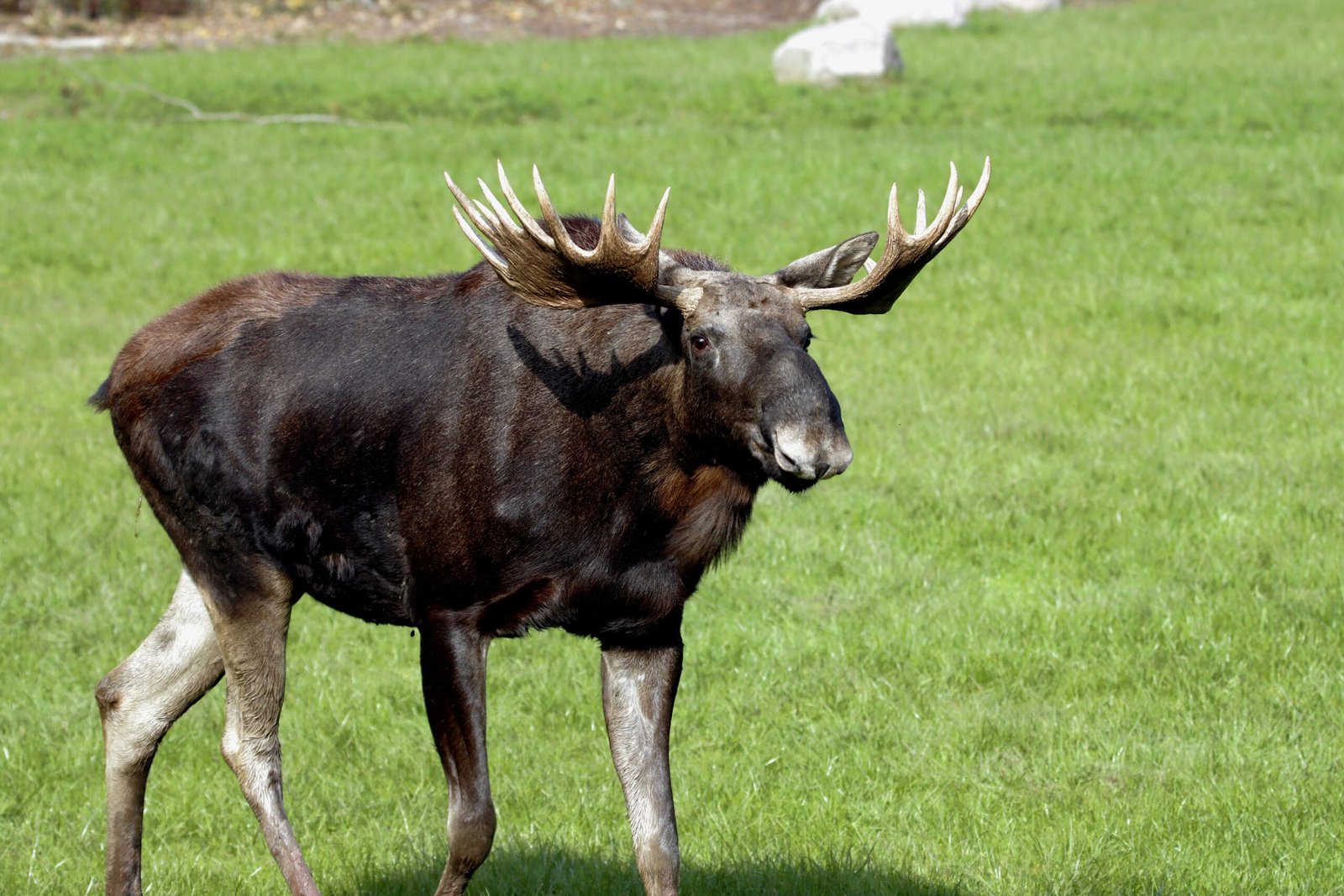
Type 1 generally describes an antlered or any-moose license under the hunt-area regulation, while Type 4 is typically antlerless. Read the precise current definition and season table. Wyoming notes that cow licenses in some areas can require fewer points than bull or any-moose opportunity. That does not automatically make the hunt easy: access, private land and animal distribution still control the field plan.
Preference and random draws
Review resident and nonresident preference-point and random-draw reports separately. Point totals can be lost if the hunter does not participate or obtain a point within the stated two-year rule. Applicants should read the current preference-point instructions rather than assuming the deer and elk system works the same way.
Worked example: a tag exists, but is it in your draw?
The official 2026 resident/nonresident quota table says a nonresident random-draw license is available for a license type with a nonresident quota of four or more. It lists Area 1 Type 1 with one nonresident license, Area 25 Type 1 with four, and Areas 2/30 Type 1 with zero. Those are three different situations: a nonresident allocation without a random license, an allocation large enough for a random license, and no nonresident allocation.
This does not make Area 25 a recommendation or an easy draw. It is a screening example showing why “Wyoming has a random draw” is not enough. First eliminate unavailable choices, then compare the actual preference and random pools, and finally test whether the remaining hunt is practical for you. Quotas may be adjusted for SuperTag licenses, and future years require a fresh table.
Do not divide total statewide applicants by total tags and use that as your personal chance. Residency, area, type and point pool change the comparison. Save the exact row from the official draw report alongside your chosen license—not just a screenshot of a statewide summary.
Hunt-area and access research
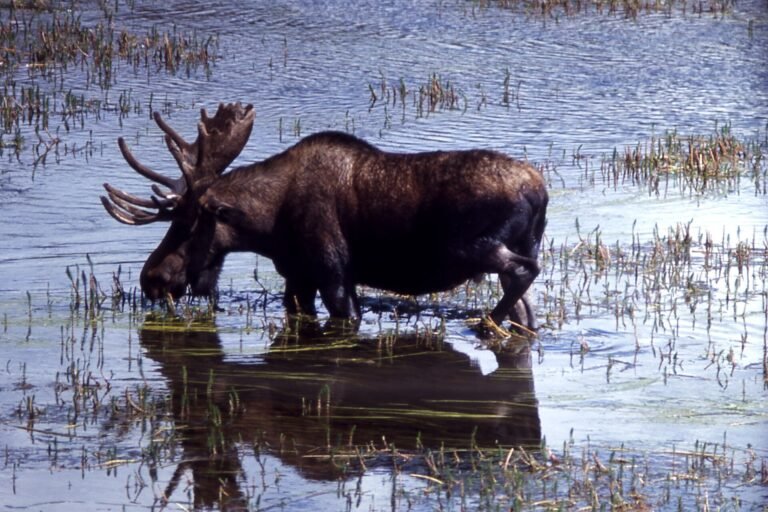
Wyoming identifies major moose concentrations in the Bridger-Teton country south of Jackson, the Bighorn National Forest and the Medicine Bow-Routt system, with other river-bottom and mountain populations. Each landscape creates a different balance of road access, wilderness, willow, private holdings and bear awareness.
Open the Public Access Summary and map from the official Hunt Planner. Mark legal roads, walk-in areas, private inholdings, water, steep willow and extraction distances. Nonresidents also must understand Wyoming’s rules for hunting in federally designated wilderness, including the licensed outfitter or resident-companion requirement.
Public land is not the same as a usable DIY route
Check three map layers separately: the hunt-area boundary, ownership and designated wilderness. For a nonresident, a route into federally designated wilderness raises a different planning question from a route elsewhere in the same national forest. Confirm the current companion or outfitter requirements with WGFD before paying for support; a friend being willing to help does not establish that the arrangement qualifies.
For each candidate camp, write down the legal road to it, the trail to moose habitat, any private crossing and the location where a loaded vehicle can turn around. If the only realistic retrieval route crosses a parcel without permission, do not count the surrounding public acres as accessible hunting ground. The map-reading guide can help organize these checks.
Recovery in willow and wet ground
A short map distance can cross dense willow, bog, beaver channels or steep riverbank. Walk the extraction route before hunting when possible. Use enough capable helpers and load-hauling equipment, and determine whether a horse, boat or vehicle is both legal and practical.
Budget for the draw you are actually entering
Build two totals using the WGFD license fee list and current application instructions. The first is money committed before knowing the result: required application payments, nonrefundable charges and any point purchase. The second is the extra cost if selected: travel, scouting, camp or lodging, recovery support, cold storage and processing. Record which payments are refunded, retained or charged later; do not treat money temporarily committed at application as the same as a final cost.
A paid recovery arrangement needs more than a daily rate. Ask whether it covers your exact area, whether the operator can legally access your planned route, how delays are charged, and who supplies horses, boats or refrigerated space. Our recommendation is to get those answers before applying for a hunt you could not safely complete without that help. An attractive historical draw result is not valuable if the eventual trip is outside your budget.
Official Wyoming resources
- Wyoming Moose Hunt Planner
- 2026 license applications and deadlines
- Official draw results and odds
- Wyoming preference-point rules
- Hunt Planner and access maps
Next: Compare Wyoming with Colorado, Utah and Idaho in the Moose Hunting Hub.