Research status: Reviewed August 21, 2026. This guide summarizes planning information and links to official agencies; it is not legal advice or firsthand field testimony. Regulations, quotas, disease zones and access can change. Verify every rule before applying or hunting.
SPECIES LIBRARY
Start with the state system—not a trophy headline.
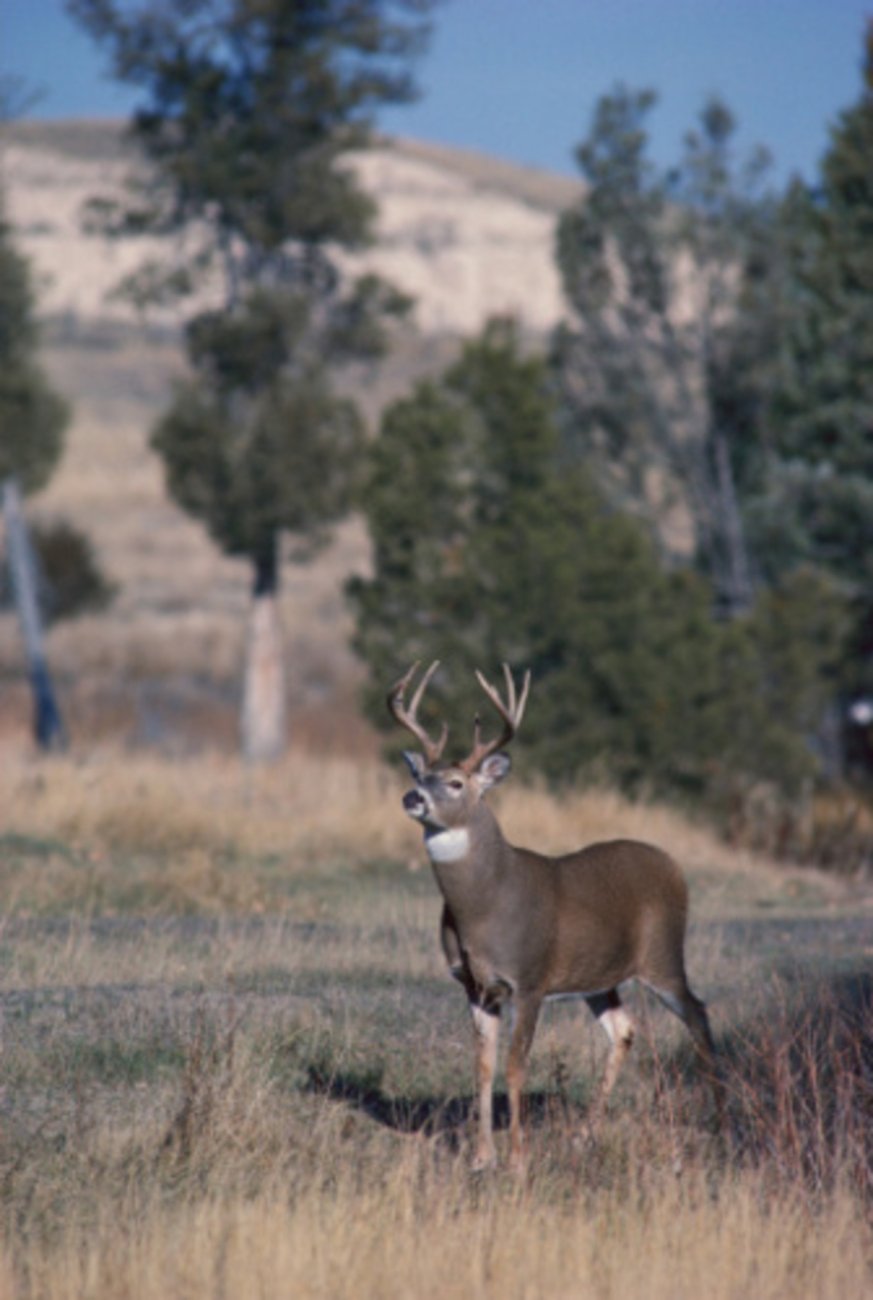
White-tailed deer range across radically different permit systems, landscapes and access models. Use this hub to compare the legal pathway first, then build habitat, wind, recovery and travel decisions around the exact state and property.
What changes from state to state
The species is the same, but the hunt is not. Application deadlines, county or unit boundaries, antlerless authorizations, public-land rules, baiting restrictions, weapon seasons, tagging, CWD testing and carcass transport can all change across a state line—or a county line. A useful plan begins with the current agency publication and the named property.
| Planning question | Why it matters |
|---|---|
| Is the tag guaranteed, limited or lottery-issued? | Determines whether travel and access commitments should happen before or after the application result. |
| What geographic boundary controls the permit? | Statewide, zone, county, unit and property permits are not interchangeable. |
| Is the authorization tied to sex, weapon or land type? | Prevents an otherwise valid license from being used for the wrong animal, method or property. |
| What CWD and carcass rules apply? | Changes testing, processing, disposal and transport after recovery. |
State white-tailed deer guides
The first cluster covers ten high-interest systems: tightly allocated Midwestern hunts, broad Eastern opportunities and Southern county/private-land frameworks. Additional states will be added only when they can support a distinct, fully sourced guide.
Iowa
A highly structured deer program where nonresident planning begins with the correct license type, zone, application rules and private-land access—not with a county reputation.
Illinois
A permit-driven Midwestern hunt where the county or public area, selected season and legal weapon must be resolved together before travel is booked.
Kansas
A unit-and-permit hunt that can combine whitetail-focused tags with private access or Walk-In Hunting Access, but only when the permit, species, sex and unit all match the plan.
Missouri
A broad-coverage deer state with archery, firearms and alternative-method opportunities, but county, conservation-area and CWD rules can materially change the field plan.
Wisconsin
A county-based deer program with distinct Forest and Farmland zones, public/private land designations and antlerless authorizations that must match the deer management unit.
Ohio
A county-limit deer system where archery, gun, muzzleloader and disease-surveillance-area dates must be paired with the current county bag-limit map.
Kentucky
A long-season deer state where county zone classification controls bag limits and antlerless opportunity, making the county choice part of the legal plan.
Pennsylvania
A wildlife-management-unit system with broad public-land access, separate antlerless licenses and season structures that vary in designated WMUs.
Texas
A county-by-county deer framework dominated by private land, with North and South Zone dates, local bag limits, special antler restrictions and property-level management programs.
Georgia
A long-season southern deer program where county either-sex dates, private versus WMA rules, quota hunts and a geographically variable rut must be separated before scouting.
A practical order of operations
- Choose a state based on legal opportunity, access and travel reality.
- Open the current agency rules and identify the exact permit, geographic boundary, season and legal animal.
- Secure or verify access before treating the hunt as viable.
- Map wind-safe approaches, legal parking, neighboring pressure and recovery routes.
- Build a processor, CWD-testing and carcass-transport plan before departure.
- Recheck emergency closures and regulation changes immediately before hunting.
Core official references
- U.S. Fish and Wildlife Service species profile
- USGS chronic wasting disease science
- USDA APHIS CWD reference
Continue with Hunt Planning, Maps & Apps and the Gear library. For how claims are reviewed, see the Editorial Policy and Review Methodology.