How to Plan an Arizona Elk Hunt: Units, Bonus Points, Draws and Costs
Reviewed for Arizona’s 2026 elk season: August 24, 2026. Hunt numbers, permit quantities, access, fire closures and fees can change. Confirm the exact hunt number in the current Arizona Game and Fish Department regulations before applying or traveling.
Arizona elk hunting is a study in contrasts: high-elevation ponderosa forest, open grass parks, canyon country and dry-season water planning. It can deliver bugling bulls and dramatic country, but most hunters must first solve a competitive draw. The correct starting point is not a famous unit name; it is a legal hunt number with the right species, season, weapon and unit boundary.
Research disclosure: Big Game Ledger has not hunted Arizona. This guide is based on current AZGFD draw information, regulations, maps, license materials and disease guidance. Official rules control whenever they differ from this article.
Arizona elk planning at a glance
- Species focus: Rocky Mountain elk.
- 2026 draw deadline: applications for pronghorn and elk were due Tuesday, February 3, 2026.
- Draw results: AZGFD released 2026 elk and pronghorn results in February through customer portal accounts.
- License requirement: a valid Arizona hunting or combination license number is required to apply.
- Hunt structure: dates and legal animals vary by four-digit hunt number, unit, weapon and season.
- OTC warning: Arizona publishes a separate handout for limited over-the-counter elk nonpermit-tag hunts. These are not a substitute for the main draw and must be evaluated by their exact boundaries and objectives.
Use hunt numbers, not shorthand
Arizona’s elk booklet assigns a four-digit hunt number to each opportunity. Two hunts in the same game management unit can differ by weapon, dates, legal elk and permit quantity. Record the hunt number next to every choice and confirm the unit boundary on the official map.
| Choice factor | What it changes | What to verify |
|---|---|---|
| Early archery | Rut timing, calling conditions and competition. | Dates, legal elk and access. |
| Early rifle or muzzleloader | Glass-and-move strategy and demand. | Weapon definition and hunt number. |
| Late rifle | Weather, migration and more dispersed elk. | Road conditions, closures and meat care. |
| Antlerless or limited OTC | Management objective and geography. | Exact boundary, private access and legal animal. |
How Arizona bonus points work
Arizona uses bonus points, not a pure preference-point queue. Each point gives an application another randomly generated number. The drawing includes a bonus pass, a first-and-second-choice pass and a third-through-fifth-choice pass. Applicants with few points can still draw, but more points can improve the chance of receiving a low number.
An unsuccessful valid application can earn a species point. Loyalty and qualifying Arizona education points are separate additions. Drawing an elk tag generally resets the applicant’s regular elk bonus points, while qualifying loyalty or education points can remain under the current rules. Use the official bonus-point reports for the exact hunt and pass; never turn last year’s odds into a promise.
License and permit costs
Arizona’s current fee rule lists an elk hunt permit-tag at $135 for residents and $650 for nonresidents, before the required qualifying hunting license and applicable application charge. Youth-only fees differ. Verify the live license page and the current elk booklet before payment.
Add the rest of the trip ledger: license, application service, travel, lodging or camp, mapping, fuel, food, water storage, meat cooling, pack-out help, taxidermy and an emergency margin. Arizona heat can turn meat care and water logistics into primary planning systems even when mornings are cold.
Terrain, access and the Arizona adventure
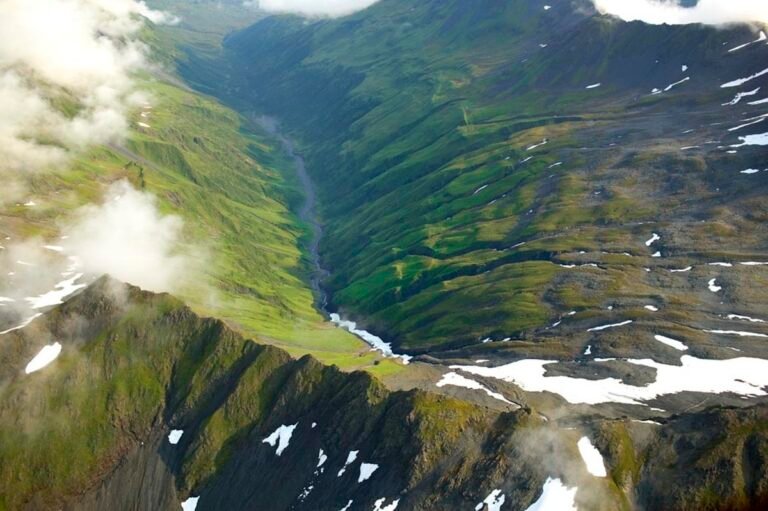
Popular elk country across northern and eastern Arizona includes ponderosa pine, mixed-conifer slopes, volcanic terrain, grass parks and canyon breaks. Road density, wildfire closures, monsoon damage, drought and water distribution can change how a unit hunts. A map pin is not a plan until the route and land status are verified.
Use the official unit maps, federal motor-vehicle use maps and land-ownership layers together. Arizona also has an access program for cooperating private lands; participation and property rules can change. Never assume an unfenced road or water source is open.
The excitement is real: locating elk in dry country, hearing bugles echo through timber and watching first light spread across the plateau. But bull quality varies by age structure, pressure, drought and hunt design. We do not publish a statewide “average bull size.” Compare unit-level harvest and draw reports and treat them as history, not a forecast.
Hunter education, CWD and field rules
Arizona requires hunter education for youth under 14 hunting big game, and youth must be at least 10 to hunt big game. Out-of-state education may satisfy the youth requirement but does not earn Arizona’s education bonus point. Review the current hunter education page.
AZGFD maintains current chronic wasting disease information and restrictions for importing harvested cervids. Read the Arizona CWD guidance and the rules for every state on the route home. Confirm tagging, evidence-of-sex, carcass disposal and electronic-tag procedures before entering the field.
A practical Arizona planning sequence
- Create an AZGFD portal account and confirm the qualifying license.
- Choose hunt format, weapon and total budget.
- Record exact four-digit hunt numbers.
- Compare bonus-point and draw reports by hunt and pass.
- Audit unit boundaries, roads, public land, fire restrictions and water.
- Build heat-aware water, recovery and meat-care plans.
- Apply before the current deadline and verify payment information.
- Recheck the regulation, access and CWD rules before travel.
Common Arizona elk hunting questions
When is the Arizona elk draw?
Arizona publishes pronghorn-and-elk draw information early in the year and normally schedules the application deadline in February. For the 2026 draw, the deadline was February 3, 2026. Treat that as a past date, not a permanent annual deadline: check the current AZGFD Big Game Hunt Draw page and the applicable regulations before planning an application.
Can a nonresident apply for an Arizona elk hunt?
Yes. Arizona allows resident and nonresident hunters to participate under its current licensing and draw rules. The draw application requires a valid hunting or combination-license number and the four-digit hunt number from the regulations. Confirm age, license, application and nonresident rules on the official license page before applying.
Do Arizona elk bonus points guarantee a permit?
No. AZGFD explains that each accumulated bonus point provides another random-number entry for that species. More points can improve an applicant’s position within the draw system, but they do not make a future permit certain. Use the current bonus-point reports and process explanation rather than treating last year’s results as a prediction.
Does Arizona offer over-the-counter elk tags?
Arizona lists limited-opportunity elk hunts under its nonpermit-tag system. That does not mean a general tag is valid statewide. The hunter must review the current AZGFD nonpermit-tag page, elk informational handout, legal boundary, dates and restrictions before buying or hunting.
What belongs in an Arizona elk-hunt budget?
Budget for the required license, application and permit costs; travel; lodging or camp; local transportation; maps; field equipment; meat care; and a disruption reserve. If comparing a guided option, use our 2026 guided elk hunt cost guide to separate advertised package prices from licenses, travel, after-the-shot expenses and other exclusions.
When is Arizona elk season?
Arizona does not have one statewide elk season. The legal dates depend on the exact hunt number, game management unit, weapon, legal elk and permit type. Read the full hunt listing in the current Arizona Game and Fish Department regulations and recheck closures or emergency changes before traveling.
Official Arizona elk planning links
- 2026 Pronghorn and Elk Draw Information
- Big Game Draw portal and instructions
- Bonus-point process and reports
- Hunting licenses
- Nonpermit-tag information
- CWD guidance
Return to the Elk Hunting hub or compare the Wyoming elk guide and Montana elk guide.
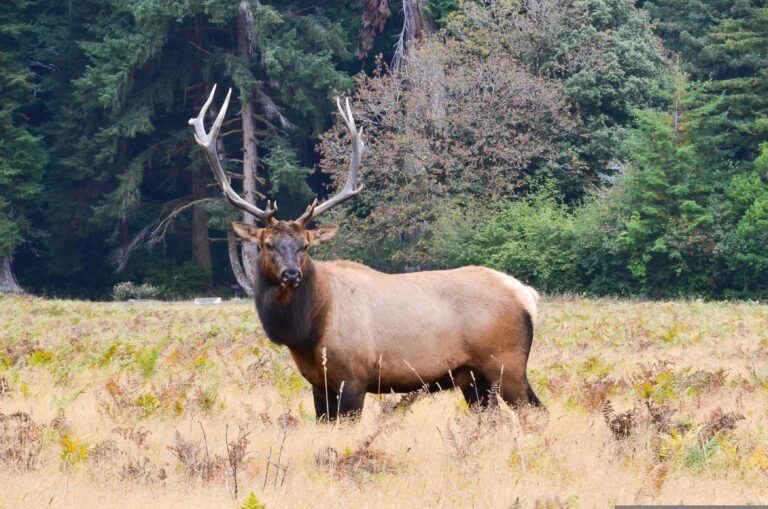
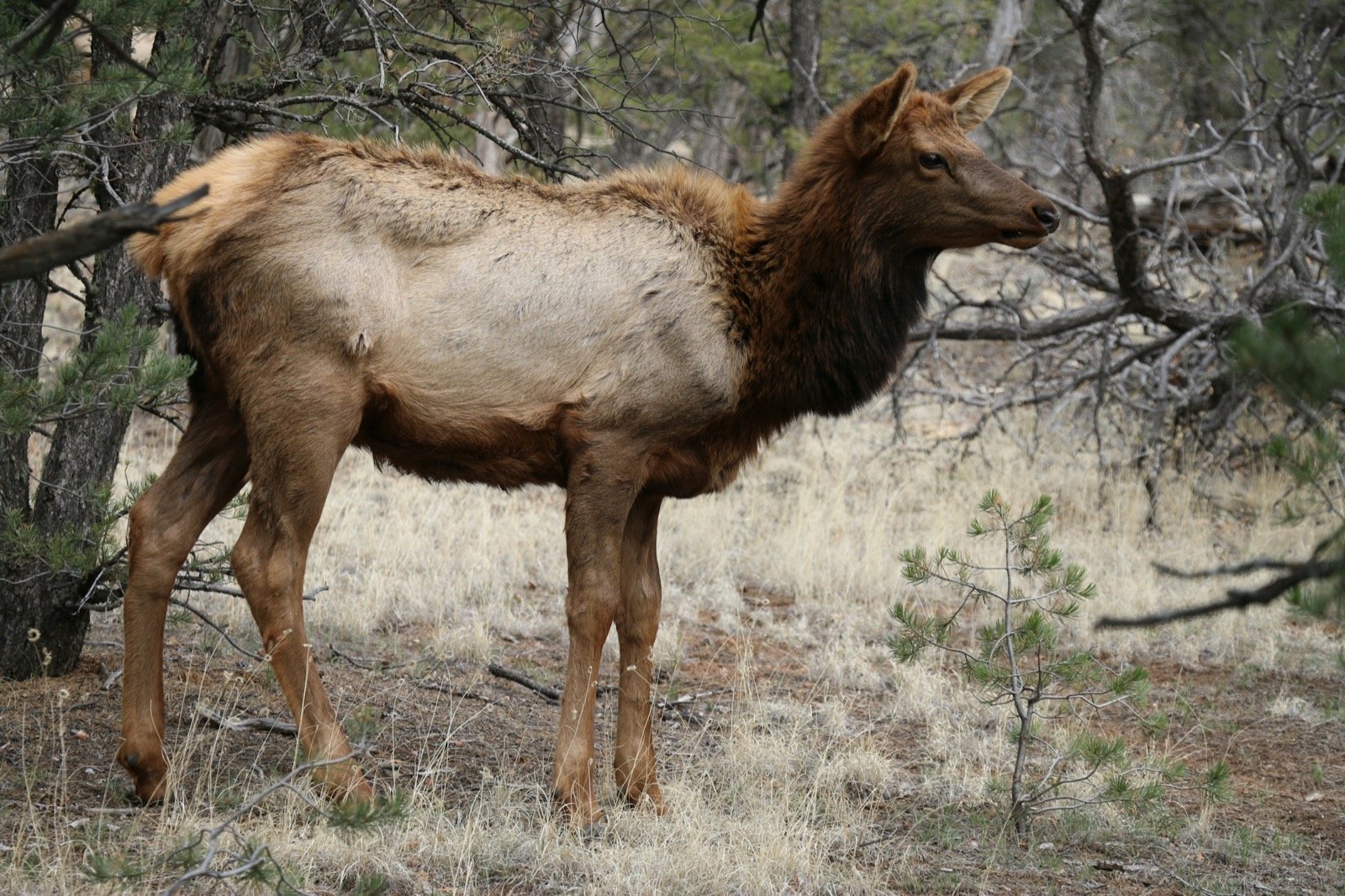
Featured image: a wild elk in Grand Canyon National Park, Arizona, photographed by Soumya Parthasarathy via Unsplash. Licensed under the Unsplash License and not reused on another Big Game Ledger page.