Maine Moose Hunt Planning Guide (2026)
Last reviewed: August 24, 2026. Maine publishes annual permit allocations, dates and fees. Verify the current lottery and lawbook before applying or hunting.
Editorial note: This is a research-based planning guide, not a firsthand Maine hunt report.
Maine moose hunting is a permit-only opportunity built around a lottery, Wildlife Management District assignment, a specific season and permit type, and a permittee/subpermittee team. In 2026 Maine issued 3,705 permits through the lottery. The value of a plan comes from understanding what the assigned WMD and week require—not from treating the state as one uniform hunt.
Maine moose hunt at a glance
| 2026 application | Online April 1–May 18; deadline passed for the 2026 season |
|---|---|
| 2026 seasons | Sept. 28–Oct. 3 bull; Oct. 12–17 bull; Oct. 26–31 antlerless, with valid WMDs varying by season |
| Allocation | At least 90% resident statewide; nonresident and lodge shares are capped by law and district allocation |
| Team structure | Permittee may designate a subpermittee and alternate under current rules |
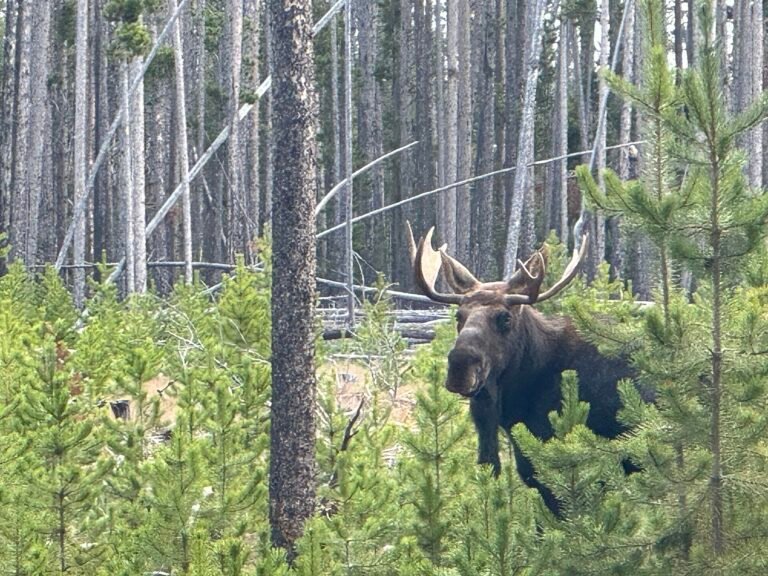
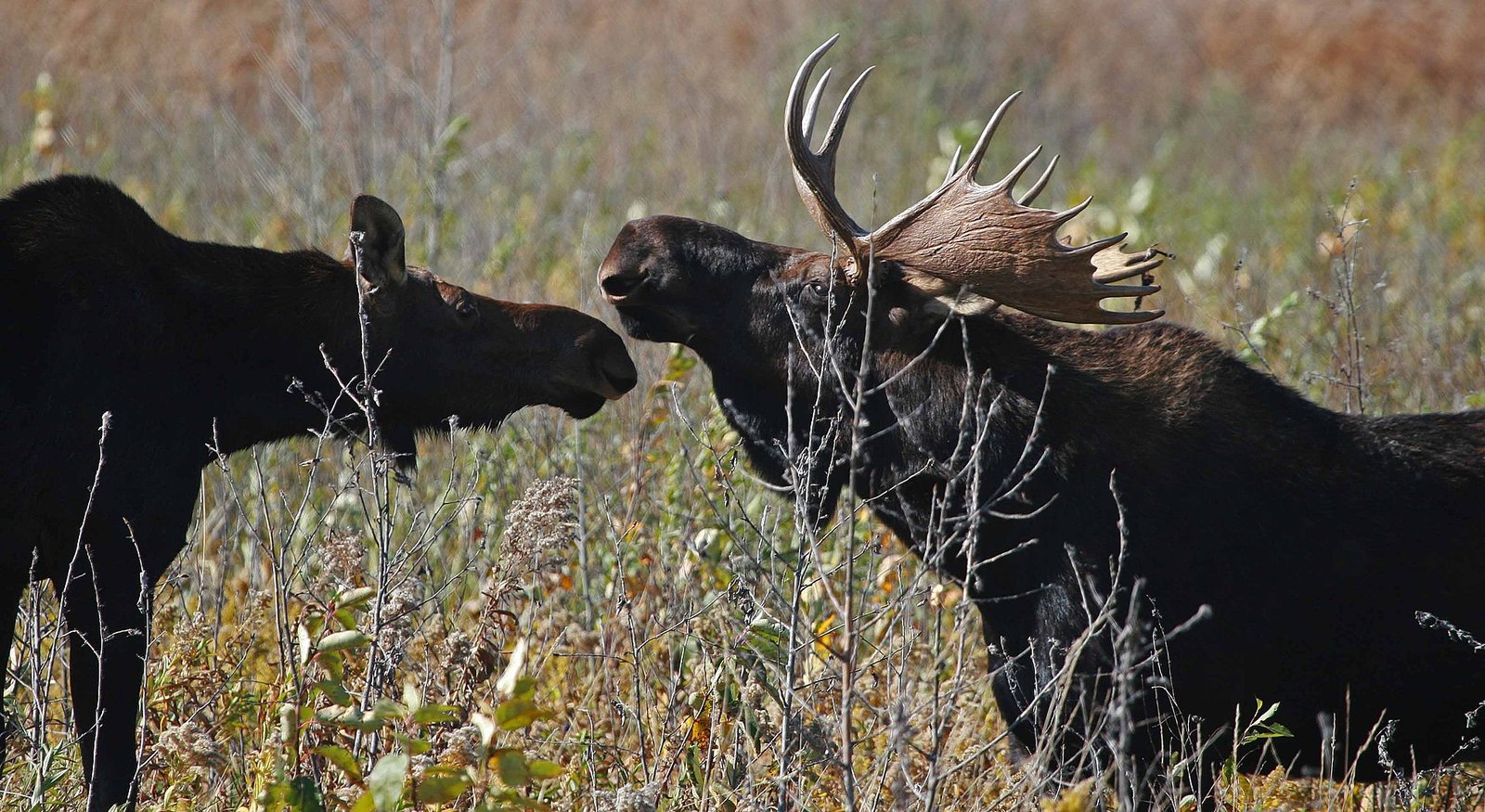
Moose in northern wetland habitat. Photo: USFWS Midwest Region, public domain.
How the lottery works
Applicants choose WMDs they will accept, season preferences and whether they will accept an antlerless permit. Maine uses bonus chances, and current rules include a three-year waiting period after holding a permit. The applicant must be eligible for a Maine big-game license; hunter-safety requirements apply before hunting.
Do not select every district automatically. A broader list can improve the chance of receiving some permit, but the successful applicant must be prepared to hunt the assigned WMD and dates. Research lodging, road systems, private ownership, check stations and recovery support before ranking.
2026 permit allocation context
The 2026 season included bull-only permits in late September and mid-October and antlerless permits in late October. WMD eligibility differed by week. The northern WMDs carried the largest allocations, but permit count alone does not measure hunt quality or accessible animals. Compare harvest data, forest ownership and practical entry.
Permittee and subpermittee planning
Either the permittee or subpermittee may harvest the one moose authorized by the permit, subject to current rules. Treat the subpermittee as a full planning partner: confirm legal shooting role, transportation, equipment, communication and who makes the final identification decision. An alternate designation is not a casual name; follow the published deadline and process for changes.
Access in Maine timber country
Much prime moose country is working forest. Roads may be privately maintained, gated, changed by timber operations or closed in wet conditions. WMD maps do not create access. Obtain current landowner or industrial-forest rules, confirm road conditions, and carry an offline map because cellular coverage can be limited.
Moose often use regenerating cuts, wetland edges, stream corridors and young browse. Scout several age classes of cuts and the transitions between cover and feed. A logging road that makes scouting easy can also concentrate hunters.
Registration and meat care
Successful hunters must take the animal to an official registration station and comply with biological-data requirements. Save station locations and hours before the season. Maine’s cool autumn reputation does not eliminate spoilage risk; a large carcass retains heat, and warm afternoons or delayed retrieval require prompt quartering and airflow.
Final Maine checklist
- Assigned WMD, season and bull/antlerless permit copied to every team member
- Valid hunting license and hunter-safety eligibility confirmed
- Subpermittee and alternate status verified
- Industrial-forest or private-road rules and gates checked
- At least two access and extraction routes mapped
- Registration station, hours and required biological information saved
- Vehicle, trailer or pack recovery and cooling plan tested
Cost planning
Build the budget from the current agency fee page and written provider quotes. Include the application or point purchase, prerequisite license, permit, travel, access, lodging or camp, maps and communication, recovery supplies, cold storage, processing, shipping, and an emergency reserve. A Maine plan should separate lottery and permit costs from travel to the assigned WMD, lodging, private-road access expectations, meat registration, processing, and the trip home. Record the source and date for every amount, and recheck fees, payment timing, and refund terms before committing.
Official Maine resources
- Maine moose permit lottery
- 2026 moose laws, seasons and permit rules
- Maine moose species and hunting information
- Maine hunting licenses and permits
Next: Compare every state pathway in the Moose Hunting Hub and prepare recovery with the moose planning guide.