Colorado Moose Hunt Planning Guide (2026)
Application, point-fee and inspection sections checked September 11, 2026. This is a 2026 planning reference; the primary application period has closed. Do not carry these dates, fees or quotas into 2027 without a newly published CPW source.
Editorial note: This is a research-based Colorado moose planning guide, not a firsthand hunt report.
Colorado moose licenses are issued through the primary draw. The state now manages Shiras moose across several mountain regions, but every opportunity is limited and hunt-code specific. A good application connects legal animal, method, dates, units and a recovery route—then treats draw history as guidance rather than a guarantee.
Colorado moose hunt at a glance
| License method | Primary draw only |
|---|---|
| Prerequisite | Current qualifying license and Habitat Stamp rules apply to the application |
| Lifetime rule | A hunter who has harvested an antlered moose may not apply for another antlered or either-sex license; lifetime antlered bag limit is one |
| 2026 license context | CPW approved 761 total moose licenses statewide across antlered/either-sex and antlerless seasons (2026 quota recommendation; May 6–7 commission approval, item OA 26-030) |
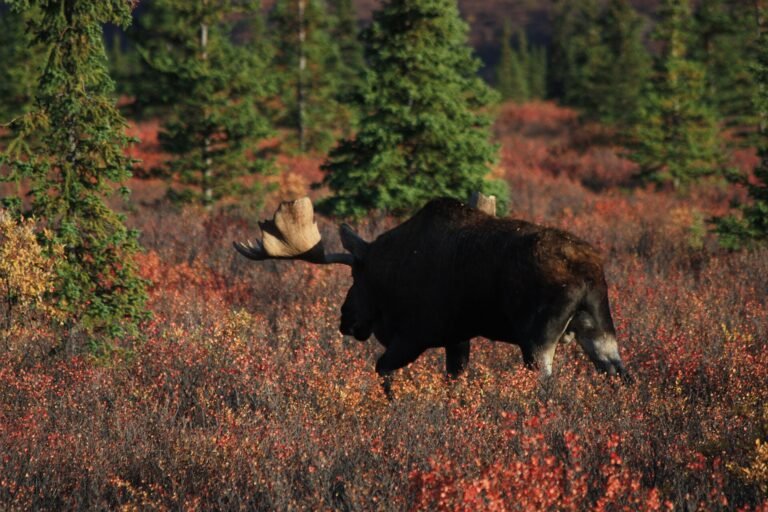
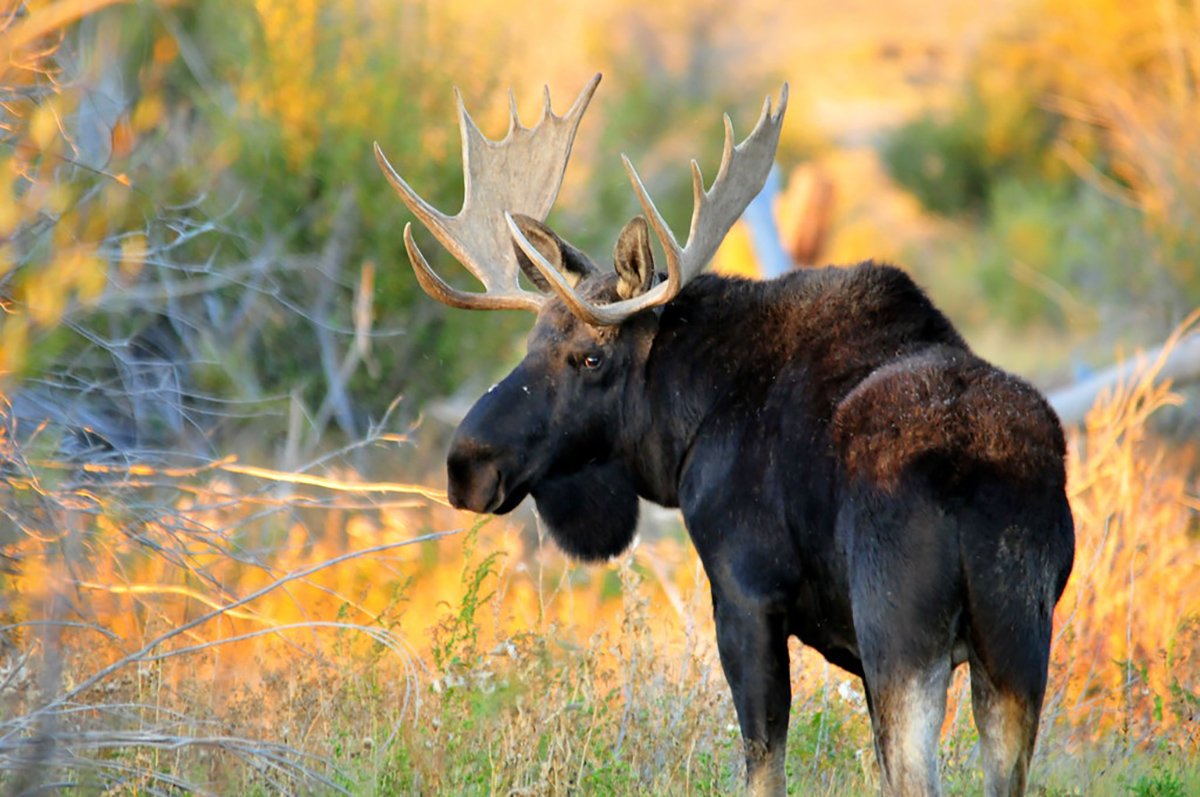
Featured photograph: Shiras bull moose at Seedskadee National Wildlife Refuge, Wyoming, by Tom Koerner/USFWS, public domain. Representative of the moose type discussed here, not a Colorado hunt location or evidence of hunting access. Photo source checked September 11, 2026.
Read the hunt code, not a unit summary
Colorado hunt codes identify species, sex, method and season. The code can include a unit group rather than one GMU. Copy the exact code from the current brochure and confirm every valid unit. A social-media post about “Unit 18 moose,” for example, does not prove the same code, animal or dates remain available.
Should Colorado be on your application list?
Start with two separate questions: are you willing to fund a long-term application, and could you actually recover a moose from the country covered by the license? A draw result answers neither question. For a first-time applicant, Colorado is a future opportunity to research, not a dependable way to schedule this fall’s vacation.
For a hunter willing to take an antlerless animal, study those hunt codes separately. Do not assume that a cow hunt bypasses the weighted draw or solves the pack-out problem. For someone who has already harvested an antlered Colorado moose, the lifetime restriction is the first screening step, before any unit comparison.
Understand the draw data
CPW publishes Draw Recap and Drawn Out At reports. They show applicants, licenses and the point/choice where a code finished in a prior draw. Moose uses a point system with a weighted component after the required preference-point threshold under current rules. Read CPW’s current explanation because the system differs from ordinary deer and elk preference-point expectations.
CPW distinguishes up to three regular preference points from subsequent weighted points. Weighted points change the processing of a random application number; they do not place everyone in a simple longest-waiting-first queue. The system applies to male and female moose licenses. Read the primary-draw explanation and opt-out rules before deciding whether to pay for another point.
In the moose draw reports, compare the same hunt code, residency and point group. Keep quota, applicants and successful applicants in separate columns. A statewide license increase does not mean your particular nonresident hunt gained a permit. A historical result describes that draw, not the number of years you will wait.
Habitat and scouting
Colorado moose occupy high willow basins, river corridors, lodgepole forest, burns and lower-elevation winter range. A September archery or muzzleloader plan may face warm afternoons and thick willow, while October rifle dates can bring snow and frozen access. Identify where the season falls relative to rut activity, foliage and migration.
- Glass willow edges and open parks from more than one angle.
- Walk the extraction route before hunting; willow and marsh can hide deep channels.
- Mark private parcels and county-road status below national forest boundaries.
- Plan for black-bear food storage and sudden mountain weather; check the land manager’s current camp and travel restrictions.
Recovery and carcass rules
A Colorado Shiras moose remains a major pack-out. Inspection is not merely something CPW might request: CPW requires harvested moose to be presented for inspection on or before the fifth business day after harvest. Arrange the inspection with CPW and confirm which parts to bring before travel. Keep the mandatory harvest questionnaire, evidence-of-sex and tag requirements on your departure checklist.
A recovery calculation before choosing a drainage
Use this as a workload example, not an estimate of moose meat yield or a recommended carrying weight. If your actual recovery requires four loaded trips and the legal pickup is two trail miles away, one carrier walks 14 miles between the animal and vehicle: eight loaded miles plus six return miles. That excludes the initial approach, butchering, elevation and extra equipment. Add a creek crossing or a closed gate and the attractive spot on the map can become a poor choice.
Record a maximum practical pack-out distance with your partners, a backup helper, the processor’s opening hours and a second cold-storage option. Never treat overnight mountain air as a substitute for a meat-cooling plan. Our meat-care kit guide explains the equipment side; CPW controls the legal requirements.
What does it cost to stay in the Colorado moose draw?
Separate the cost of applying from the cost of a successful hunt. An adult nonresident aged 18–64 buying an annual small-game qualifying license for the 2026 application would combine $104.86 for that license, $12.76 for the Habitat Stamp and an $11.49 moose application fee: $129.11 before a point charge or moose license. If the $100 preference/weighted-point charge applies and is not declined, that example becomes $229.11. These are a calculation from CPW’s published 2026 fees, not a checkout quote; exemptions and licenses already owned can change the total.
Do not add another qualifying license or stamp for every species if one valid purchase already satisfies the requirement. After a successful draw, budget the actual moose license separately, then price scouting, travel, lodging, recovery support, processing and storage. A low annual application cost can conceal a much larger commitment when the tag arrives.
Official Colorado resources
- Colorado moose hunting
- 2026 Big Game Brochure and draw information
- Colorado moose draw statistics
- Colorado Hunting Atlas
Next: Build the extraction checklist with the moose planning guide or compare western states in the hub.