Vermont Moose Hunt Planning Guide (2026)
Last reviewed: August 24, 2026. Vermont sets moose permit numbers and eligible Wildlife Management Units through annual management action. Verify that year’s authorized public lottery before applying.
Editorial note: This is a research-based Vermont moose planning guide, not a firsthand hunt report. Where 2026 public permit totals were not available on a stable agency page at review time, this guide deliberately does not invent them.
Vermont moose opportunity has recently been concentrated in Wildlife Management Unit E in the Northeast Kingdom. Permit numbers are used as a biological management tool, particularly in relation to winter ticks and moose density. That means an old permit allocation is not a reliable forecast for the next season.
Vermont moose hunt at a glance
| Permit method | Annual lottery and special allocations when authorized |
|---|---|
| Recent geography | Opportunity concentrated in WMU E; confirm current E1/E2 or other unit detail |
| 2026 rule change | The regular season is structured as nine consecutive days beginning the third Saturday in October under the updated rule |
| Management issue | Permit levels respond to population objectives and winter-tick impacts |
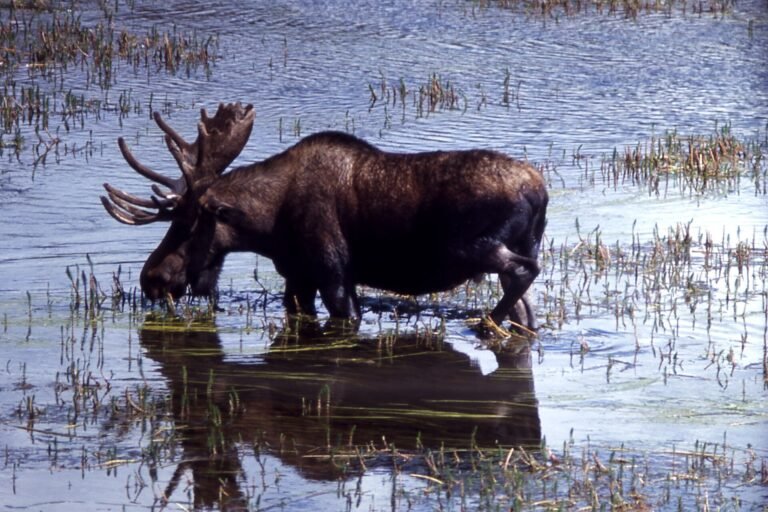
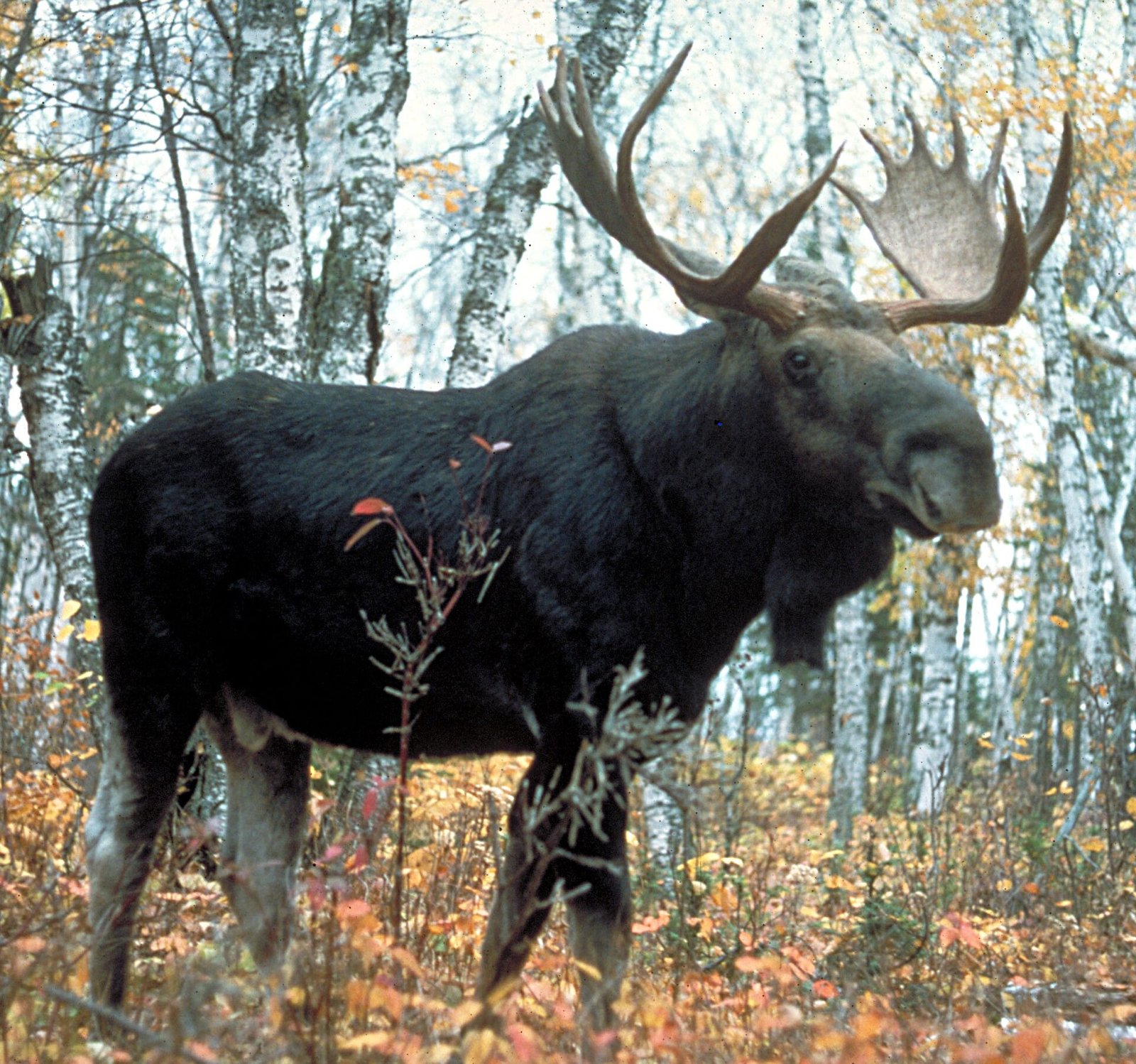
Moose in northern forest. Photo: USDA Forest Service, public domain.
Confirm that the current lottery is open
Do not use a prior-year press release as an application page. Open Vermont Fish & Wildlife’s current moose page and online license system, confirm the authorized permit total, legal animal, unit, season, resident/nonresident share, application deadline and waiting period. If the Department has not yet finalized the season, treat every number as provisional.
Why the permit number changes
Vermont’s recent Northeast Kingdom harvest has been designed to reduce moose density where winter ticks cause serious health and survival effects. The Department may adjust permits as density, harvest and tick conditions change. This is not a statewide invitation to hunt anywhere moose occur.
Access in the Northeast Kingdom
WMU E includes a mix of working forest, wetlands, cuts, remote roads and private ownership. Confirm timber-company or landowner access, gate rules and road condition. Hunting pressure can concentrate on drivable cuts, so scout multiple legal routes and an extraction option that does not depend on one gate.
Moose can be difficult to see in dense October cover. Fresh browse, tracks, rubs and bedding edges can guide slow scouting. Calling may be useful in appropriate timing, but weather and post-rut behavior can reduce response.
Permittee responsibilities
Verify the current rule for archery, regular and any special-opportunity seasons, legal weapons, bag limit, permittee/subpermittee participation, tagging, check station and biological sampling. Vermont’s updated rule includes a nine-day regular season beginning with the third Saturday in October starting in 2026, but the annual permit remains the controlling authorization.
Build a Vermont-specific recovery plan
Do not let the state’s smaller geography create false confidence. A moose in a wet cut, alder pocket or gated working forest can require a long extraction. Mark legal parking, turnaround space and the closest route that avoids soft ground. Line up enough people, load-hauling equipment, game bags, lighting and a vehicle that can move meat without contaminating or overheating it. Identify the required reporting or check location and a processor or cold-storage backup before the season.
Costs to confirm after a draw
Current permit and license fees should come from Vermont’s official licensing system. Add travel, scouting, lodging or camp, land-access arrangements, ice or refrigeration, processing and taxidermy only after confirming the actual season and unit. If using a guide, request a written description of scouting, transportation, recovery and meat-care services rather than relying on a general package label.
Final Vermont checklist
- Verify the annual permit total, legal animal, WMU and season dates.
- Confirm current permittee and subpermittee rules.
- Check each landowner or timber-company access policy and gate status.
- Carry offline maps and a non-cellular emergency communication option where needed.
- Plan cooling for warm October weather and locate the required reporting destination.
Cost planning
Build the budget from the current agency fee page and written provider quotes. Include the application or point purchase, prerequisite license, permit, travel, access, lodging or camp, maps and communication, recovery supplies, cold storage, processing, shipping, and an emergency reserve. A Vermont plan should separate permit and license costs from travel to the assigned area, lodging, private-land access, registration, processing, and the trip home. Record the source and date for every amount, and recheck fees, payment timing, and refund terms before committing.
Official Vermont resources
- Vermont moose hunting
- Vermont hunting regulations
- Vermont online licensing information
- Vermont big-game management plan
Next: Compare Vermont, New Hampshire and Maine in the Moose Hunting Hub.