Black Bear Hunt Planning Guide
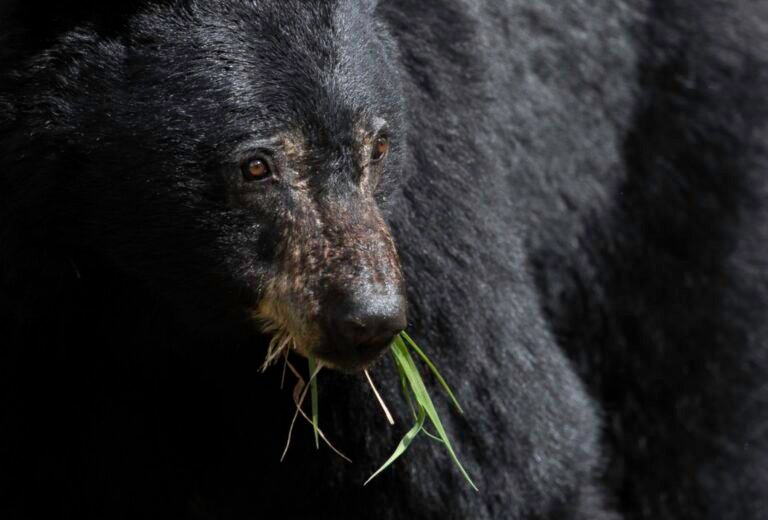
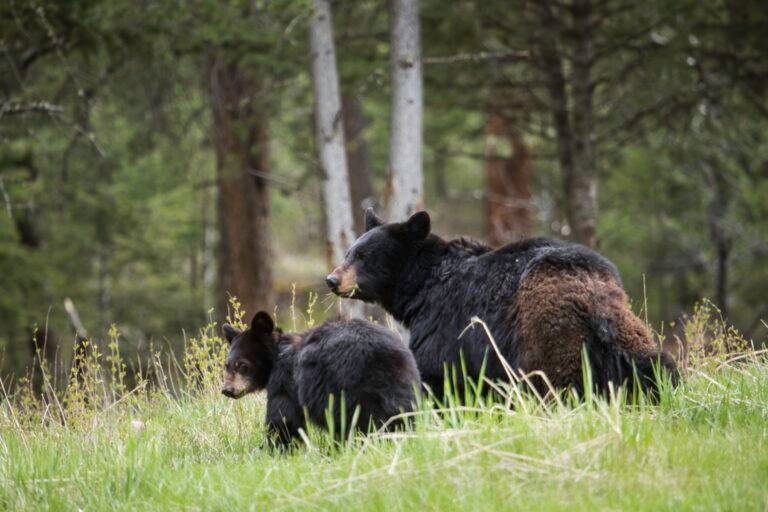
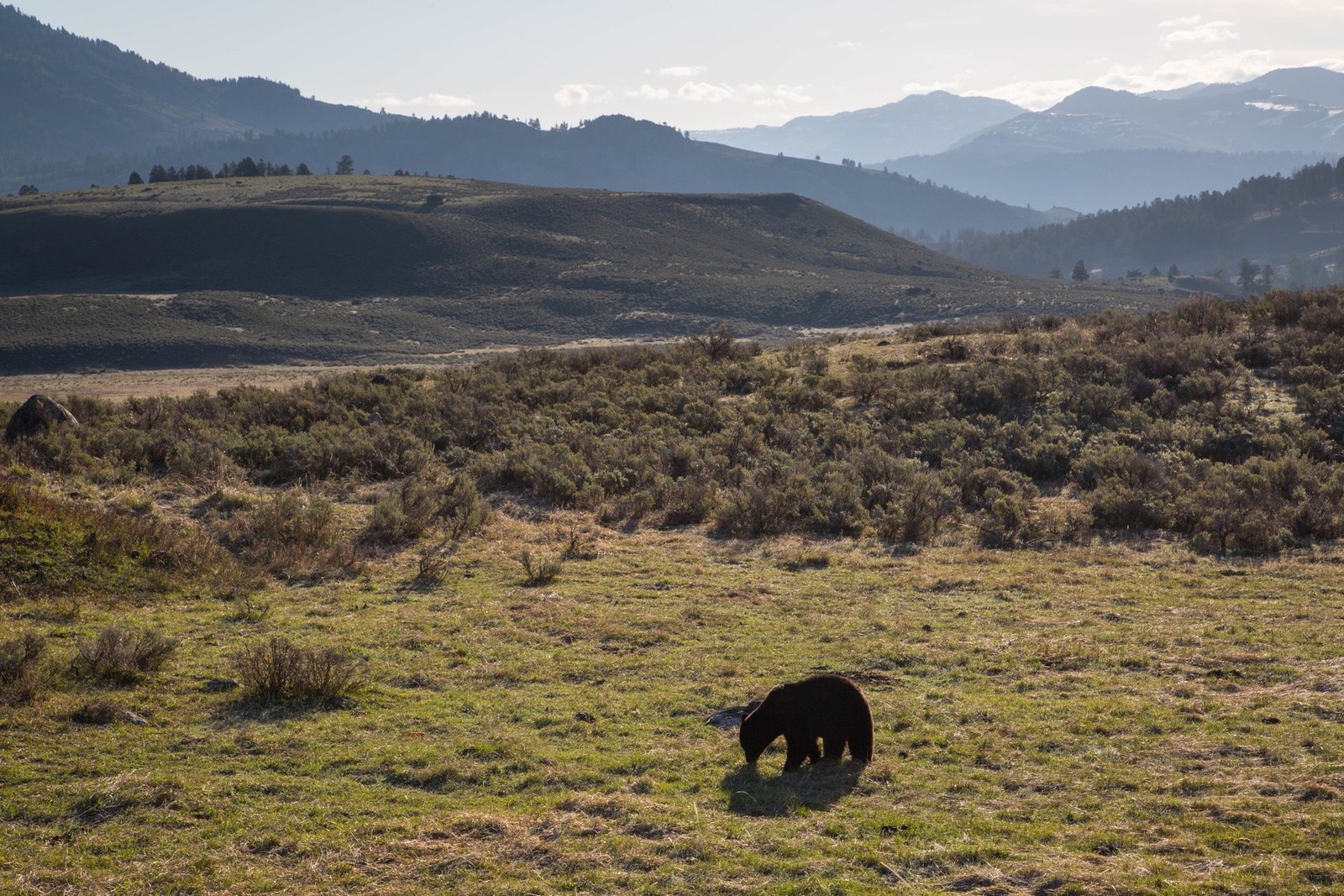
Featured photo: NPS/Neal Herbert, National Park Service. Public domain.
Research standard: This guide is based on official agency and public-health sources reviewed August 21, 2026. Big Game Ledger does not claim firsthand experience in this hunt. Regulations, emergency orders and access conditions can change; verify every requirement with the responsible agency before applying, buying licenses or traveling.
A black bear hunt can involve a general license, a lottery or preference system, a registration or drawing permit, a quota that closes by zone, or a unit-specific harvest ticket. The planning process must also account for species identification, cub protection, legal methods, bear-country safety, recovery, reporting and food safety.
Start with the legal opportunity
Choose the state and named hunt before buying equipment or travel. Record the exact unit, county or zone; legal dates; permit or license; legal bear; weapon or method; bait or dog rules; check or reporting deadline; and access authority. If one field is unknown, the trip is still a research project—not a bookable hunt.
Compare ten state systems
| State guide | Planning distinction | Official source |
|---|---|---|
| Alaska | Start with the exact Game Management Unit and hunt type. Confirm whether the opportunity uses a harvest ticket, registration permit or drawing permit; whether the hunter is eligible; and whether any locking-tag, guide, sealing, salvage or evidence-of-sex requirement applies to that unit and date. | Official agency |
| Maine | A valid hunting license and bear permit are generally required, with limited exceptions described by Maine IFW. Hunters using dogs need the applicable dog permit, and a nonresident hunting bears with dogs must comply with Maine’s resident-guide requirement. | Official agency |
| North Carolina | Confirm the hunting license, big-game privilege, Bear Management E-Stamp and any nonresident bear-license requirement that applies to the hunter. Then check game-land rules, local laws and method restrictions for the specific county and property. | Official agency |
| Pennsylvania | A bear license is required in addition to the applicable hunting license. Confirm hunter eligibility for any special-firearms period, the WMU boundary, lawful equipment, Sunday dates and the current harvest-check procedure in the 2026-27 digest. | Official agency |
| Wisconsin | A hunter must be authorized to purchase a Class A bear license through the drawing or another qualifying program. Apply for a license or preference point by December 10 and maintain point activity under the current rules. The awarded zone controls where the hunt may occur. | Official agency |
| Michigan | The 2026 drawing application period was May 1-June 1, with results available June 22. A selected hunter needs the required base license before purchasing the bear license. Preference points, hunt code and period choice should be evaluated together rather than by unit name alone. | Official agency |
| Minnesota | Quota-area hunters enter a preference drawing; the 2026 lottery deadline was May 1 and winner purchase deadline August 1. No-quota licenses are sold without the quota drawing. Confirm eligibility, the exact permit-area boundary and access before purchase. | Official agency |
| Idaho | Select the unit, season and correct general or controlled tag before planning access. Some controlled applications have separate spring and fall windows. Second and reduced-price tags apply only in specified units and under the current license structure. | Official agency |
| Montana | Confirm the hunting and bear license package, BMU boundary and any quota status. Montana requires completion of its bear-identification test before hunting black bears. A general date is not permission to hunt a BMU that has closed. | Official agency |
| West Virginia | Confirm the applicable hunting license combination, Bear Damage Stamp and any National Forest stamp. Landowner and youth exemptions are specific and should be read in the current digest rather than assumed. | Official agency |
These states are not presented as a trophy ranking. They were selected to show materially different planning systems across Alaska, the East, the Great Lakes and the Mountain West.
1. Learn bear identification before choosing a shot
Body color is not a dependable separator between black bears and brown or grizzly bears. Study ear shape, facial profile, shoulder profile, claws, tracks and behavior using current agency material. In overlap country, the cost of uncertainty is simple: do not shoot. Also scan carefully for cubs and confirm the legal-animal rule for the specific hunt.
2. Match the method to current law
Baiting, hound hunting, spot-and-stalk, still-hunting and incidental opportunity are not interchangeable from one state—or one unit—to another. Even where a method is allowed, dates, registration, site placement, labeling, reporting and public-land restrictions may apply. Read the controlling state rule and the land-manager rule.
3. Design access and retrieval together
Map legal parking, boundary lines, elevation, water crossings, seasonal road conditions and private inholdings. For remote areas, add aircraft or boat schedules and weather-delay days. Set the recovery route, load plan, lighting, communication and cold-storage backup before scouting. A bear located beyond the team’s safe extraction capacity is not a complete opportunity.
4. Build a field identification and shot protocol
- Positive species identification; never use color alone.
- No cubs observed and the animal meets the current legal definition.
- Safe target area and backstop.
- Distance and position remain inside the practiced limit.
- A marked last-known location and legal recovery route exist.
- The team has the capacity to tag, report, cool and transport the animal.
5. Separate camp safety from hunting
Store food, garbage and scented items according to the land manager. Maintain a clean camp, carry the safety equipment appropriate to the location and know current encounter guidance. Share a written itinerary and define turnaround points for weather, darkness, water, fatigue and communications.
6. Plan reporting, inspection and meat care
States may require immediate tag validation, online or telephone reporting, a check station, sealing, tooth submission or evidence to remain naturally attached. Record every deadline and location before the hunt. Cool edible meat quickly. Wild bear can carry Trichinella; follow current CDC guidance and use a food thermometer.
Research packet to save offline
- Current state regulation and the exact unit or zone page.
- Permit, lottery, preference-point, quota or harvest-ticket record.
- Land-manager map and closure information.
- Bear-identification and cub-protection guidance.
- Tagging, reporting, inspection, sealing and transport instructions.
- Emergency contacts, itinerary, weather backup and cold-storage plan.
Explore the Black Bear Hunting hub, the Gear library and the Hunt Planning library. This is a research framework, not legal advice or a claim of firsthand hunting experience.