Michigan Black Bear Hunting Guide (2026-27)
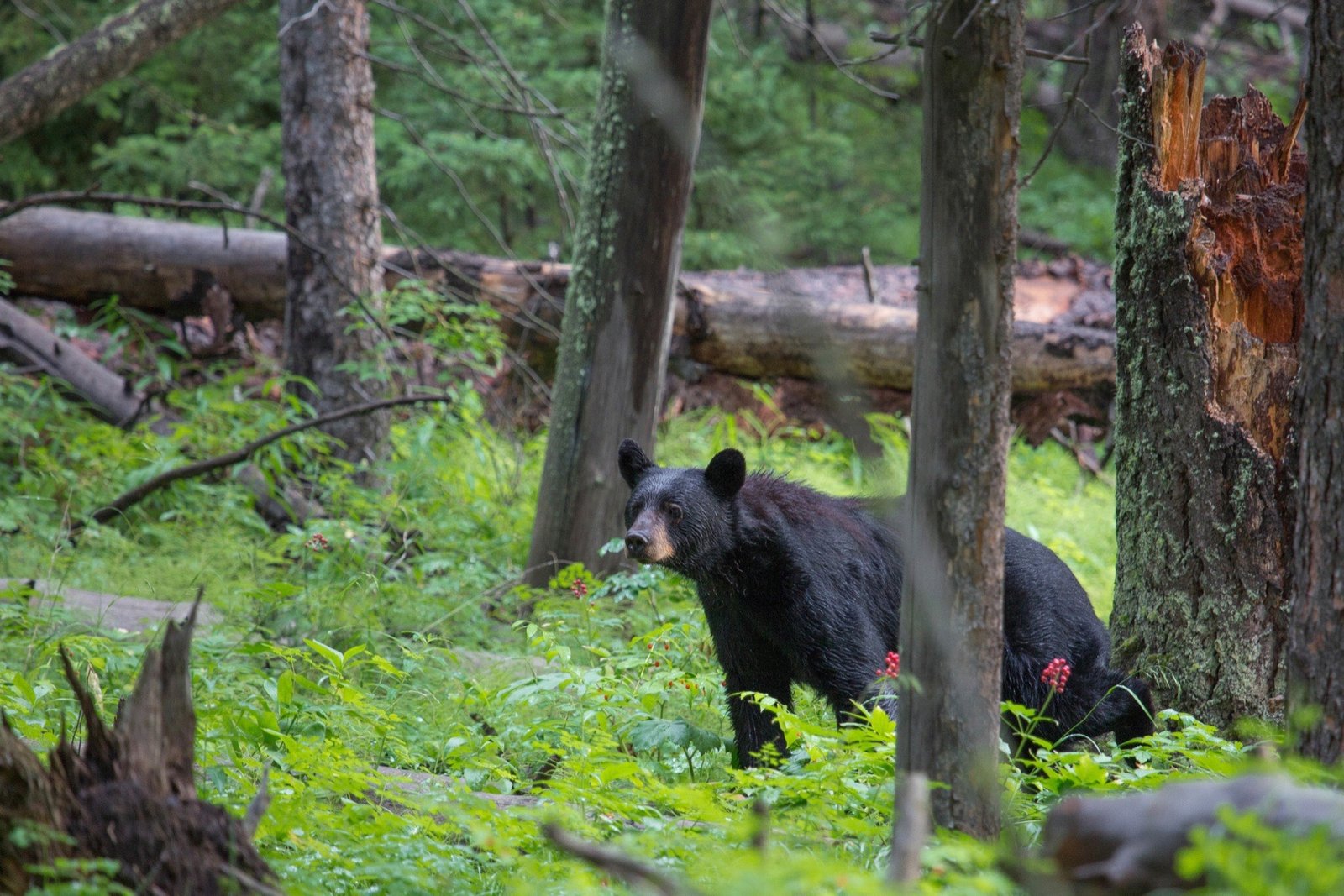
Featured photo: NPS/Neal Herbert, National Park Service. Public domain.
Research standard: This guide is based on official agency and public-health sources reviewed August 24, 2026. Big Game Ledger does not claim firsthand experience in this hunt. Regulations, emergency orders and access conditions can change; verify every requirement with the responsible agency before applying, buying licenses or traveling.
Michigan black bear hunting begins with a defined legal hunt: the exact unit, county or zone; the permit or license; the legal season and method; the legal bear; and the access and recovery plan. Michigan uses limited licenses, Bear Management Units and named hunt periods. Much of the population and public-land opportunity is in the Upper Peninsula, with additional Lower Peninsula units that have different date and method structures.
Michigan black bear hunting at a glance
| Research status | Reviewed August 21, 2026 against current official material |
|---|---|
| Permit structure | The 2026 drawing application period was May 1-June 1, with results available June 22. A selected hunter needs the required base license before purchasing the bear license. Preference points, hunt code and period choice should be evaluated together rather than by unit name alone. |
| Current season reference | Season dates are assigned by BMU and hunt period. Upper Peninsula and Lower Peninsula method windows differ, and some Lower Peninsula dates restrict or require the use of dogs. Use the 2026 table for the awarded hunt code rather than a statewide summary. |
| Official starting point | Michigan DNR Bear Hunting |
Why Michigan belongs in a black bear comparison
Michigan uses limited licenses, Bear Management Units and named hunt periods. Much of the population and public-land opportunity is in the Upper Peninsula, with additional Lower Peninsula units that have different date and method structures.
The practical question is not whether Michigan is a “best” state in the abstract. It is whether a specific legal opportunity matches the hunter’s time, access, identification skill, physical ability and recovery capacity. Build the trip around the named hunt and controlling regulation—not a social-media image, a historical season or a generalized state ranking.
Build the legal hunt first
Season dates are assigned by BMU and hunt period. Upper Peninsula and Lower Peninsula method windows differ, and some Lower Peninsula dates restrict or require the use of dogs. Use the 2026 table for the awarded hunt code rather than a statewide summary.
The 2026 drawing application period was May 1-June 1, with results available June 22. A selected hunter needs the required base license before purchasing the bear license. Preference points, hunt code and period choice should be evaluated together rather than by unit name alone.
Write the proposed hunt as one sentence: license or permit, geographic boundary, legal bear, legal method and dates. Then confirm any hunter-orange, bait, dog, weapon, check-in, harvest-reporting, sealing, tooth, sex-evidence and carcass-transport requirements that apply to that sentence. Recheck the agency page before applying, before purchasing and again within 72 hours of departure.
Habitat, food and timing
Upper Peninsula hunts can involve large conifer-hardwood forests, swamps and commercial timber roads. Lower Peninsula units combine forest blocks, wetlands and private agricultural edges. Food changes and wet ground can alter both activity and extraction routes.
Use current maps and field observations to connect seasonal food, secure cover, water, terrain and human pressure. A food source is not automatically a hunt plan: the legal approach, wind, visibility, safe shot, property boundary and extraction route must all work. Mark a primary area, a weather-dependent alternative and a no-go condition before travel.
Access and recovery logistics
Mi-HUNT and current DNR land rules should be paired with field confirmation of gates, forest roads and private boundaries. Account for other forest users and for the limited places where a vehicle can legally collect a recovered bear.
Confirm legal parking, public/private boundaries, seasonal road status and any site-specific closure. The recovery route should be planned before the first scouting walk. Estimate the distance, elevation, darkness, weather and number of loads; identify who can help; and establish a processor or cold-storage backup that does not depend on ideal timing.
Method, identification and shot discipline
Bait, hounds and other methods are governed by zone and date. Hunter-orange and firearm rules also depend on equipment. Build the hunt from the specific BMU chart and never extend a method window from the Upper Peninsula to the Lower Peninsula.
Black bears vary widely in color, and color alone is not a reliable species-identification tool where black bears overlap brown or grizzly bears. Study current identification material, look for cubs and decline the shot whenever species, legal status, target area or recovery probability is uncertain. Use only equipment legal for the exact hunt and practice from realistic field positions at distances shorter than the limit established in advance.
Bear-country safety
Separate hunting decisions from camp-safety decisions. Store food, garbage and scented items as required for the location; keep a clean camp; and know how the land manager expects visitors to respond to a bear encounter. A planned hunt does not eliminate the need for a written itinerary, weather turnaround rules, first-aid capability and a reliable communication plan.
Tagging, reporting and meat care
After harvest, follow the paper or 2026 eHarvest tag procedure. Michigan requires registration: arrange an appointment and present the required unfrozen, undivided head and hide or entire animal within the published 72-hour period.
Before leaving the animal, complete the tag or validation step required by the controlling rule. Record the location, protect required evidence and meet every reporting, inspection, check-station, sealing or biological-sample deadline. Begin cooling edible meat promptly and keep it clean and dry. Wild bear can carry Trichinella; follow current public-health guidance and verify doneness with a food thermometer rather than judging by color alone.
Final Michigan checklist
- Confirm the current permit or license, unit or county, dates, method and legal bear.
- Save the current regulation and any emergency-order or quota-status page for offline reference.
- Verify access, parking, land ownership, road status and property-boundary rules.
- Complete identification education and confirm bait, dog, weapon and hunter-orange rules.
- Plan retrieval, cooling, required samples, reporting, sealing and carcass transport.
- Share an itinerary and define weather, daylight and safety turnaround points.
Cost planning
Build the budget from the current agency fee page and written service or travel quotes. Include the application or preference point, prerequisite license, bear permit or tag, access, travel, lodging or camp, maps and communication, recovery supplies, sealing or registration travel, meat care, processing, and a contingency reserve. Separate application and license costs from bear-management-unit travel, property access, bait or dog rules where applicable, registration and meat care. Record the source and review date for every amount and recheck payment timing and refund terms before committing.
Official Michigan sources
- Michigan DNR Bear Hunting
- 2026 Michigan Bear Regulations
- National Park Service bear identification
- CDC trichinellosis information
Return to the Black Bear Hunting hub, use the Black Bear Hunt Planning Guide, or review the broader Hunt Planning library. Big Game Ledger does not claim guaranteed results, current commercial endorsements or firsthand Michigan hunting experience.