The Big-Game Hunt Planning Checklist: From Draw Odds to Opening Morning
Research transparency: This big-game hunt planning checklist is a research guide, not a firsthand field report. It combines official agency and land-manager guidance with a conservative planning framework. Regulations, access, closures, weather and costs can change; verify every hunt-specific decision with the current responsible agency before acting.
Take the hunt plan offline
Print this six-page workbook and use it alongside the current regulations, maps and agency sources for the exact hunt.
A hunting plan should do more than keep deadlines in one place. It should explain why a hunt is worth pursuing, expose the assumptions that could break it, and tell the hunting party what to do when conditions change.
Draw odds matter, but they are only one part of the decision. A tag with attractive odds can still be a poor fit because of travel, access, terrain, season dates, crowding, physical demands, or the cost of executing the hunt. A low-odds application can still make sense when it fits a long-term strategy and does not prevent better near-term opportunities.
This checklist moves from the first application decision to the final opening-morning review. It is intentionally state-neutral: regulations and draw systems change, so every time-sensitive fact must come from the current wildlife agency and land manager responsible for the exact place you plan to hunt.
The planning sequence
- Define the hunt and its purpose.
- Verify eligibility, deadlines, rules, and total cost.
- Compare opportunity—not just draw odds.
- Audit access, terrain, weather, and logistics.
- Build the calendar, budget, and preparation plan.
- Create primary, alternate, and emergency plans.
- Run the final 30-day and 48-hour checks.
- Record what happened and improve the next plan.
1. Define the hunt before researching units
Start with the experience you are trying to create. Without that definition, research becomes a search for impressive statistics instead of a hunt that matches your time, skills, and priorities.
- Species and legal method: what you want to hunt and how you intend to hunt it.
- Time available: application work, scouting, travel, hunting days, and recovery time.
- Party: solo, partner, family, new hunter, or larger group—with honest ability and experience limits.
- Primary objective: opportunity, trophy potential, learning a new area, meat, tradition, or simply time in the field.
- Difficulty tolerance: elevation, weather exposure, daily mileage, pack-out demands, and distance from help.
- Budget ceiling: the total amount the hunt may consume, not only the tag price.
- Success definition: what would make the trip worthwhile even without a filled tag.
Write this as a short hunt brief. For example: “Two hunters, seven total days, four days in the field, public land, moderate backpacking, a fixed trip budget, and a strong preference for opportunity over trophy potential.” That sentence becomes the filter for everything that follows.
2. Verify the rules before estimating opportunity
Use the current official wildlife-agency regulations, application instructions, and license portal. Record the page or document, publication year, and date reviewed. If the language is unclear, contact the agency rather than filling the gap with a forum answer.
Application audit
- Hunter-education and age requirements
- Residency status and proof requirements
- Account, identification, or conservation-license prerequisites
- Application opening and closing dates, including the exact time zone
- Up-front charges, nonrefundable fees, refunds, and payment-card requirements
- Point systems, waiting periods, surrender rules, and whether choices affect one another
- Party-application rules and how group points are calculated
- Season dates, legal methods, unit boundaries, quotas, and species restrictions
- Mandatory reporting, check-in, testing, tagging, evidence-of-sex, and transport requirements
Save confirmation numbers and copies of submitted choices. Calendar the results date, payment deadline, license acceptance steps, and any later permit or access reservation. The plan is not complete when “Submit” is clicked.
3. Read draw odds in context
Draw reports describe a past allocation under a particular set of rules. They do not promise the next result. Before comparing percentages, confirm that you understand how the agency treats residents and nonresidents, preference or bonus points, choice order, party applications, returned tags, and changes in quota or season structure.
| Question | Why it matters |
|---|---|
| Did the rules or quota change? | Last year’s result may no longer describe the same opportunity. |
| Is the report applicant-based or application-based? | Parties and multiple choices can distort a simple percentage. |
| Which choice actually receives meaningful consideration? | A later choice may have little or no practical chance in some systems. |
| Does the hunt consume or preserve points? | The application may affect a multi-year strategy. |
| How volatile is demand? | A small applicant pool can swing sharply from year to year. |
Keep the original official draw table or link with the plan. If you calculate a rate yourself, preserve the numerator, denominator, assumptions, and source year. Do not label an inferred probability as an agency guarantee.
4. Compare the complete opportunity
A unit comparison should combine four kinds of evidence. None is sufficient alone.
- Regulatory opportunity: season timing, legal method, tag structure, overlapping seasons, and access rules.
- Biological context: official population, harvest, age-class, or herd reports—used within the limits the agency states.
- Huntability: public access, terrain, vegetation, road and trail system, water, camp options, and pack-out reality.
- Execution fit: travel, budget, available days, partner ability, scouting capacity, and your relevant experience.
Harvest statistics can help describe what occurred, but they are not a personal success forecast. Reporting methods, effort, weather, access, sample size, and hunter selection all influence the result. Use them as one signal beside maps, regulations, agency reports, and firsthand scouting.
5. Audit land, access, and terrain
Separate three questions that are often blurred together: Who owns the land? Is public access legally available? Is the route physically and administratively open for the intended travel method?
- Confirm land ownership with the appropriate agency or county source.
- Identify legal entry points, easements, permission requirements, and parcels that only appear connected at a corner.
- Check seasonal closures, fire restrictions, wilderness rules, motor-vehicle designations, road conditions, and camping limits.
- Mark private boundaries, but do not treat a phone app as permission to cross land.
- Call the responsible field office when an access question could decide the hunt.
The USGS National Map provides authoritative national topographic layers, and topoView provides current and historical US Topo downloads. These are valuable terrain references, but land ownership, road legality, and current closures still require the responsible land manager.
For public-land planning, use the Bureau of Land Management georeferenced-map library and the Forest Service map and data clearinghouse as starting points. On National Forest land, locate the current Motor Vehicle Use Map for the exact forest; it identifies designated motorized routes and seasonal allowances. Commercial map layers are convenient planning aids, but they do not replace the legal map, current closure order, field-office guidance or private-land permission.
Before departure, also check the land manager’s alerts and closure pages. During fire season, InciWeb is the federal interagency public source for many active incidents, but local land-manager orders remain controlling for access.
Map the physical plan
- Trailhead, parking, camp, and water
- Daily routes with distance and elevation change
- Glassing areas, likely travel corridors, and alternate approaches
- Terrain traps: cliffs, river crossings, avalanche terrain, deadfall, mud, or exposed ridges
- Turnaround times and decision points
- Pack-out routes, cooling locations, and vehicle access
- Offline map coverage and an independent navigation backup
Do not build the plan around a single pin. Build a system of areas and routes that still functions when animals, access, weather, or hunting pressure differ from expectations.
6. Build the real budget
The tag is often only one line. Include the costs that determine whether the plan is repeatable.
- Applications, licenses, points, permits, and transaction fees
- Travel, fuel, flights, baggage, rental vehicle, parking, and lodging
- Food, camp fees, water, fuel, and consumables
- Maps, communication plan, batteries, and power
- Training, range time, ammunition, arrows, and equipment maintenance
- Meat processing, ice, coolers, shipping, taxidermy, or extra travel
- Emergency margin and a realistic vehicle-repair reserve
- Time away from work and family obligations
Record committed cost, refundable cost, and trip-only cost separately. That makes it easier to compare applications before money is spent and to understand the true cost after the hunt.
7. Work backward from opening morning
| Timing | Minimum planning work |
|---|---|
| Application season | Verify rules, budget, hunt brief, choices, and backup opportunities. |
| After drawing | Secure travel, permits, access, training plan, maps, and major equipment. |
| 90–60 days | Scout remotely or in person, test the complete gear system, and confirm physical benchmarks. |
| 30 days | Review regulations again, verify weapon system, finalize routes, and build the trip plan. |
| 7 days | Check closures, fire, roads, water, weather trend, and meat-care logistics. |
| 48 hours | Run the final documents, communication, maps, equipment, vehicle, and weather audit. |
The physical and technical plan should be measurable. Replace “get in shape” with a progression that leads to the expected mileage, elevation, and pack weight. Replace “practice shooting” with verified distances, positions, time limits, and conditions that reflect ethical personal limits.
8. Create primary, alternate, and emergency plans
The National Park Service Trip Planning Guide recommends leaving a plan with a trusted contact who is not on the trip. Its more detailed backcountry trip-plan guidance includes the main itinerary, alternate itinerary, risk factors, communication gaps, scheduled check-ins, and travel details. The Idaho Fish and Game hunting-plan form offers a concise hunting-specific example.
Primary plan
Document the intended camp, daily areas, access route, travel schedule, communication method, check-in times, and expected return.
Alternate plan
Identify what will trigger a change: inaccessible road, unsafe weather, unexpected pressure, dry water source, injury, equipment failure, or lack of animal sign. Name the alternate area or action before emotion and sunk cost influence the decision.
Emergency plan
- Party names, contact details, medical considerations, and emergency contacts
- Vehicle description, plate, parking location, and intended route
- Communication devices, numbers or addresses, and known coverage gaps
- Nearest appropriate medical care and relevant agency contacts
- Exact overdue time and instructions for the trusted contact
- What to do after an emergency message, missed check-in, or route change
A device is not the plan. Everyone in the party should understand how to use it, what each message means, and what actions follow.
9. Make weather a decision system
Use the forecast for the actual hunting area and elevation, not the nearest low-elevation town. Track the trend and hazards as the trip approaches. Establish the conditions that change travel, camp, exposed routes, or the decision to hunt.
The National Weather Service states in its outdoor lightning guidance that there is no completely safe place outside during a thunderstorm and recommends planning mountain travel around local storm patterns. Weather judgment cannot be replaced by rain gear or a satellite device. Turnaround times and safer alternatives belong in the plan.
10. Run the final checks
Thirty days out
- Read the regulations again and highlight hunt-specific requirements.
- Confirm access, camp, permits, closures, and any private permission.
- Test the full gear and communication systems.
- Verify the weapon setup and personal field limits.
- Complete the route, alternate plan, pack-out, and meat-care plan.
- Assign shared gear and responsibilities by name.
Forty-eight hours out
- Check current weather, fire, road, and closure information.
- Download offline maps and verify independent navigation backup.
- Confirm licenses, tags, identification, permits, and regulation copy.
- Inspect vehicle, tires, fuel plan, batteries, and charging.
- Send the final trip plan and confirm the overdue protocol.
- Review go, change, and stop conditions with the entire party.
11. Close the loop after the hunt
Within a few days, record what the plan predicted correctly and where it failed. Note actual travel time, cost, access, water, pressure, weather, animal sign, gear performance, pack-out demands, and decisions you would change.
This after-action record is more valuable than a collection of unverified pins. It turns experience into a better next application and helps separate conditions unique to one trip from lessons worth carrying forward.
Continue building the hunt
Turn this master checklist into a species- and state-specific plan with Big Game Ledger’s research hubs:
- How to Plan Your First Western Big-Game Hunt — the complete beginner sequence from species choice to the final go/no-go review.
- Hunt Planning — research workflow, timing and decision tools.
- Maps & Apps — navigation layers, offline-map preparation and source verification.
- Elk Hunting and Mule Deer Hunting — state-by-state planning guides and official licensing links.
- Gear, the hunt-specific gear-list framework and the Western Big-Game Hunting Gear Checklist — define the job and build connected systems before buying.
- Backcountry Water Treatment and Big-Game Meat Care Kit — plan two systems that become urgent when conditions or distance change.
- Guides — find beginner resources and current official agency links.
Source review: U.S. Geological Survey National Map and topoView; National Park Service Trip Planning Guide and backcountry trip-plan guidance; Idaho Department of Fish and Game hunt-plan form; Bureau of Land Management georeferenced maps; U.S. Forest Service maps and Motor Vehicle Use Maps; National Interagency Fire Center InciWeb information; and National Weather Service outdoor lightning guidance. Links reviewed August 20, 2026. Always use current wildlife-agency regulations and land-manager information for the exact hunt.
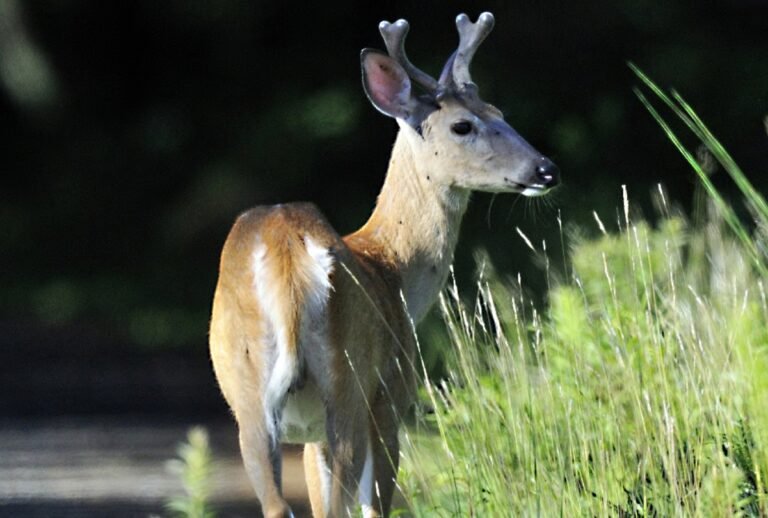
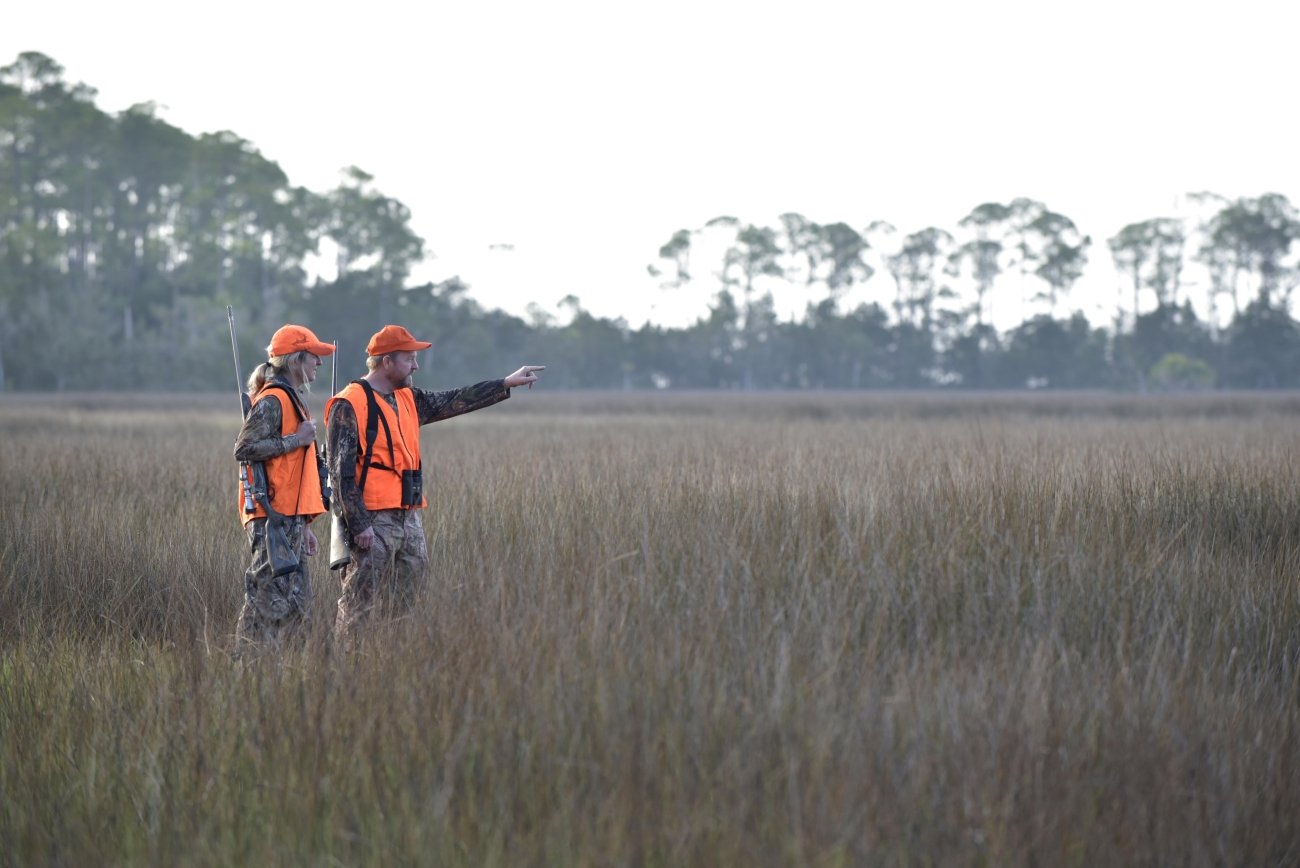
Featured photo: Florida Fish and Wildlife Conservation Commission, via USFWS, public domain. Representative hunting photograph; no specific destination, guide service or endorsement is implied.