How to Plan Your First Western Big-Game Hunt
Research guide – Last reviewed August 21, 2026. Big Game Ledger does not present this as firsthand hunting experience. This guide combines current federal safety, mapping and public-land guidance with links to official state wildlife sources and the site’s species-planning library. Regulations, license systems, access, closures, weather and costs change. Verify every hunt-specific decision with the responsible wildlife agency and land manager.
To plan your first western big-game hunt, treat it as more than one decision. It is a chain of connected decisions about species, legal opportunity, access, terrain, travel, equipment, physical demand, recovery and risk. The best first hunt is not necessarily the state with the largest herd, the unit with the best historical statistics or the animal with the biggest antlers. It is the hunt whose entire plan you can legally, safely and realistically execute.
This guide turns that large project into a sequence. Use it to choose a hunt that fits your time and ability, identify the controlling sources, build a complete budget, test the field systems and decide in advance what would cause you to change or cancel the plan.
The first-hunt rule
Do not buy a tag, book travel or buy specialized gear until you can explain the legal path, access plan, daily hunt model, recovery plan, total cost and backup plan in plain language.
1. Define the experience before choosing the state
Start with the experience you are trying to create. A state and unit only become useful after the constraints are clear. Write a one-paragraph hunt brief that answers:
- Who is going? Include experience, mobility, medical needs and the difference between the strongest and least-prepared party member.
- How much time is actually available? Count application work, travel, acclimation, scouting, hunting, meat transport and recovery time after the trip.
- What is the primary goal? Learning, opportunity, a remote adventure, time with family, filling a freezer or pursuing a particular class of animal are different planning jobs.
- What terrain is acceptable? Elevation, slope, heat, cold, daily distance, road condition and distance from help all affect the answer.
- What is the full budget ceiling? Include the costs that occur before and after the license, not only the tag.
- What would make the trip worthwhile without a harvest? A clear answer prevents the hunt from becoming an all-or-nothing gamble.
A useful brief might read: “Two new western hunters, seven total days, public-land access, moderate hiking from a vehicle-accessible camp, a fixed all-in budget and a priority on learning a repeatable system rather than trophy potential.” That sentence filters every later choice.
2. Choose the species by the work it creates
Do not choose only by excitement. Choose by the work you are prepared to perform before, during and after the hunt. The table is a planning comparison, not a promise about opportunity or difficulty in a particular state or unit.
| Species path | What often defines the project | First-hunt questions |
|---|---|---|
| Elk | Large country, significant physical demand and a recovery plan sized for a large animal. | Can the party find, legally access and recover an animal before weather or temperature creates a problem? |
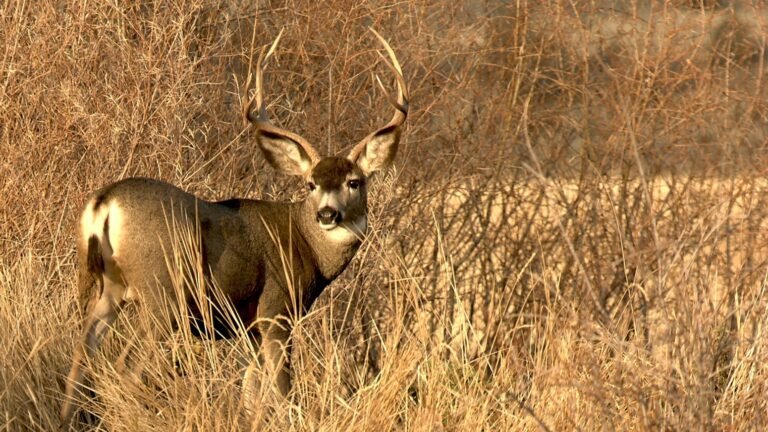
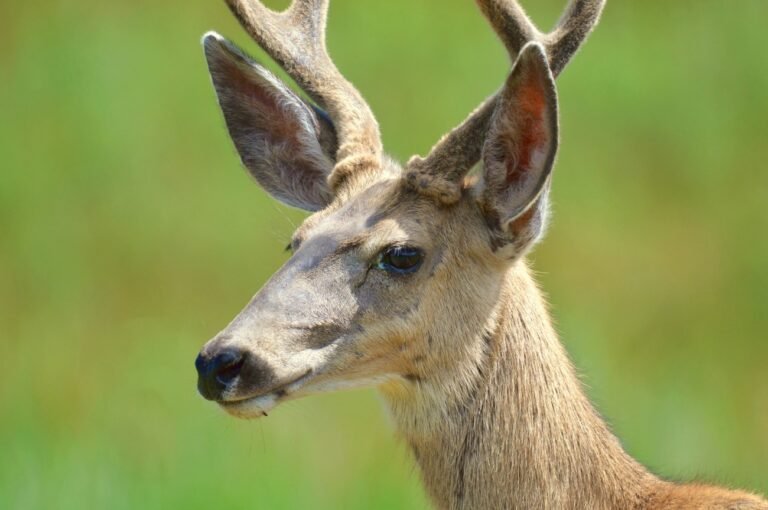
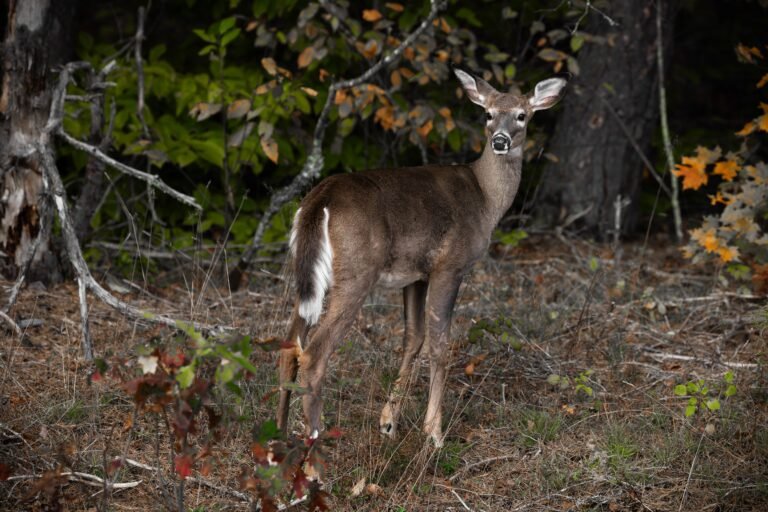
| Mule deer | Species identification, patient glassing or careful movement through cover, and terrain that varies greatly by hunt. | Does the unit match the preferred hunt style, and can the party judge legal animals and execute a realistic approach? |
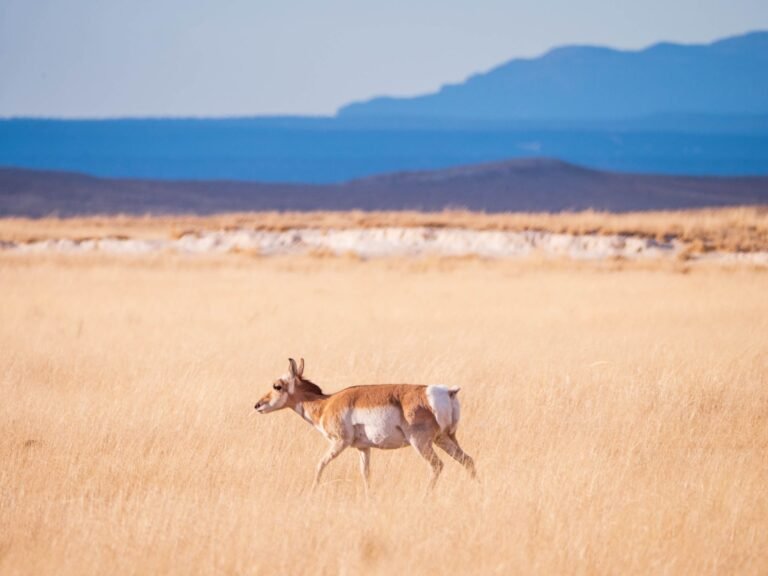
| Pronghorn | Open-country observation, land-ownership detail and access that may be complicated by private parcels and roads. | Is there confirmed legal access to usable habitat, and does the plan account for visibility, wind and exposed conditions? |
Use the Big Game Species Directory to compare the broader species library. Then open the species hub and read the state guides before deciding where to apply. If the legal path, access model or recovery requirement is still unclear, the hunt is not ready for purchase.
3. Build the legal path from official sources
The U.S. Fish and Wildlife Service hunter-education program supports state instruction in safety, ethics, wildlife management, game laws, outdoor survival and wilderness first aid. Many states require hunter education before a license can be purchased, but the exact requirement belongs to the state.
Open the responsible agency through the Big-Game Hunting Resources directory. Save the current regulations and record the publication year and review date. Then verify, in this order:
- Hunter-education, age, identification, residency and prerequisite-license requirements.
- The exact species, legal animal, weapon or method, unit or hunt code and season dates.
- Whether the license is over the counter, limited by draw, issued through preference or bonus points, or restricted to a landowner or special program.
- Application opening, deadline, payment timing, modification, withdrawal, results and purchase deadlines.
- Tagging, validation, evidence-of-sex, reporting and mandatory-sample rules.
- Carcass transport, chronic wasting disease, baiting, salvage and disposal rules.
- Private-land permission, guide requirements, tribal boundaries and land-manager restrictions.
A regulation summary, forum post or old screenshot may explain a system, but it cannot control the current hunt. When language is unclear, contact the agency and record the answer, date and office. Do not convert uncertainty into a guess.
4. Compare opportunity as a complete package
Historical draw odds and harvest reports are context. They are not forecasts. A valid comparison must match the resident or nonresident pool, exact hunt code, weapon, season and year. It must also account for changes in quotas, allocation, access, season structure and reporting.
Compare three plans instead of searching for one perfect unit:
- Primary: the hunt that best fits the full objective.
- Alternate: a hunt with a different application or access path that still fits the schedule and budget.
- Backup: the plan the party can execute if the preferred tag, access point, weather window or travel plan fails.
For each, record tag path, total travel time, legal access, terrain, expected field style, recovery difficulty and total cost. A less glamorous hunt that the party can scout, navigate and repeat may be a better first investment than an impressive unit that overwhelms the plan.
5. Prove legal access before trusting the map
Public land on a screen does not automatically mean there is a legal public route to reach it. Confirm land ownership, easements, parking, trailheads, walk-in programs, seasonal closures, wilderness boundaries, refuge rules and private inholdings with the responsible land manager.
The Bureau of Land Management georeferenced map library provides downloadable maps and warns users to download them before entering areas without coverage. BLM also states that these maps do not replace proper preparation or official land-status records. On National Forest System land, the current Motor Vehicle Use Map identifies the roads, trails and areas designated for motorized travel; a route appearing on another map does not by itself establish that it is legally open.
Build the map in layers:
- Hunt-unit boundary and any hunt-specific sub-boundaries.
- Public, private, tribal, state and federal ownership.
- Legal motorized routes and seasonal restrictions.
- Parking, trailheads, gates, easements and alternate access points.
- Elevation, slope, vegetation, water and realistic daily travel.
- Camp options, glassing areas, recovery routes and places where communication may work.
- Offline maps plus a paper or non-phone backup.
Use How to Read Hunting Maps and the Maps & Apps hub to turn those layers into primary and alternate routes. Current and historical topographic maps are available through USGS topoView, but current agency and land-manager records still control legal boundaries and access.
6. Build the complete hunt budget
A tag price is not a trip price. Build the budget before applying so that a successful draw does not create an unaffordable obligation. Use current official fees and written quotes rather than estimates presented as current prices.
- Prerequisite licenses, applications, points, stamps, permits and tag payments.
- Travel, fuel, rental vehicle, baggage, airport parking and road contingencies.
- Lodging, campground fees, food, water and fuel for cooking or heat.
- Maps, communication services and any required subscriptions.
- Gear repairs, rentals and only the new equipment required by the actual hunt.
- Meat-care supplies, processor, cold storage, shipping or return transportation.
- Emergency reserve, trip changes and replacement transportation.
Separate refundable and nonrefundable costs. Decide who pays each shared expense and what happens if a party member cancels. The complete hunt-planning checklist provides a structured budget and decision record.
7. Treat gear as connected field systems
The question is not “What do western hunters buy?” It is “What jobs must this exact hunt perform?” Start with the Western Big-Game Hunting Gear Checklist and build connected systems:
- Carry: pack fit, load control, repair and the distance the party may need to move equipment or meat.
- Navigation: primary map, offline map, power, compass or other backup, and the skill to use them.
- Weather: clothing layers, rain and wind protection, dry reserve items and shelter appropriate to exposure.
- Sleep: shelter, pad and insulation tested together in conditions below the trip’s expected severity.
- Water and food: capacity, treatment, fuel, cold-weather or heat contingencies and realistic consumption.
- Observation: optics and support matched to the terrain and time spent glassing.
- Emergency: first aid, medications, light, fire, signaling and communication.
- Recovery: game bags, cutting tools, gloves, cooling, transport capacity and legal carcass-disposal plan.
Test the loaded system outside. A spreadsheet cannot reveal a rubbing boot, unstable pack, leaking shelter, unreadable offline map or battery that fails in cold weather. Change one variable at a time and record the result.
8. Train for the hunt’s actual bottleneck
General fitness helps, but the plan should identify the task most likely to stop the hunt: sustained climbing, repeated short climbs, heat, cold, carrying water, long glassing sessions, difficult footing or a loaded recovery. Build progressively and leave time for footwear, pack and sleep-system testing.
Record distance, elevation, load, surface, weather, recovery and any pain rather than chasing one impressive workout. Medical conditions, altitude concerns and training limitations belong with qualified healthcare or fitness professionals. The goal here is to reveal a mismatch early enough to change the hunt or preparation plan.
9. Create the communication and emergency plan
The National Park Service Trip Planning Guide recommends leaving a trip plan with a trusted contact who is not on the trip, carrying essentials appropriate to the activity and maintaining a backup to phone navigation. The plan should include the party, vehicle, route, camps, expected return, communication method and the action the contact should take after a missed check-in.
- Name one person responsible for monitoring forecasts and current incidents.
- Set check-in times and define what counts as overdue.
- Identify primary and alternate exits, vehicle access and emergency contacts.
- Confirm what communication devices can and cannot do in the planned terrain.
- Share medical needs, medications and first-aid responsibilities within the party.
- Define the trigger for turning around, changing camp, abandoning an access route or ending the hunt.
Weather and fire information must be checked again immediately before travel. The National Weather Service states that there is no safe place outdoors during a thunderstorm and advises moving to a safe building or vehicle when thunder is heard. National Interagency Fire Center fire information links to incident-specific InciWeb updates, but local closures and agency orders still control.
10. Work backward from opening morning
| Window | Decision milestone |
|---|---|
| 12+ months | Define the hunt brief, complete hunter education if needed, learn state systems and identify primary, alternate and backup opportunities. |
| 6 months | Verify application tasks, build the complete budget, begin progressive conditioning and identify equipment gaps. |
| 90 days | Confirm the tag, travel, access contacts, maps, camp or lodging and meat-care plan. Begin full-system field tests. |
| 30 days | Recheck regulations, boundaries, permissions and closures. Test the loaded pack, footwear, navigation, shelter and sleep system. |
| 7 days | Confirm vehicle, weather trend, fire activity, reservations, processor, documents, communication and emergency contacts. |
| 48 hours | Run the final legal, weather, road, closure, device, map and go/no-go review. Send the final trip plan. |
| After the hunt | Complete tagging, reporting, sample submission and disposal requirements; record costs, access changes, equipment failures and lessons. |
Three realistic first-hunt pathways
The opportunity-first path
Choose a legal opportunity that can be repeated without consuming the entire long-term budget. Favor a manageable travel plan, confirmed access and terrain the party can scout and test. The objective is to learn the complete cycle, not to maximize prestige.
The home-base path
Use a vehicle-accessible camp or lodging base and hunt from planned daily routes. This can simplify charging, drying, food storage and schedule changes, but it does not remove the need for legal road, parking, weather and recovery plans.
The supported-learning path
Use a qualified mentor, hunter-education follow-up program, licensed guide or other lawful instruction when the party lacks the skills to judge legality, navigate, recover an animal or manage the field risks. Verify credentials, scope, written terms and what services are actually included. Big Game Ledger does not endorse an outfitter merely because it appears in search results or advertising.
The final 48-hour decision gate
A paid tag does not require a bad decision. Forty-eight hours before departure, decide whether the current plan is still legal and executable:
- Are the season, unit, legal animal, method and documents correct?
- Are the access points and motorized routes open and legally usable?
- Do weather, fire, smoke, snow, heat and road conditions remain inside the plan’s limits?
- Do all offline maps open, and is there a non-phone backup?
- Are the vehicle, fuel, lodging or camp, processor and return-transport plans confirmed?
- Does the party have the tested equipment, health, ability and time to complete the plan?
- Has the trusted contact received the final route and overdue instructions?
If one answer is no, activate the alternate plan, reduce the objective or cancel. The purpose of planning is not to force the original idea to survive. It is to make a good decision while there is still time.
Put the plan on paper
Use the six-page Big Game Ledger workbook to record the legal sources, application details, access plan, map notes, budget, equipment tests, responsibilities, emergency triggers and after-action record.
Continue building the first hunt
- Big Game Species Directory – choose the animal and open its state research.
- Hunt Planning – connect the decision framework, maps, budget and contingencies.
- Big-Game Hunting Resources – reach official wildlife agencies and primary sources.
- Maps & Apps – build ownership, access, terrain and offline-map systems.
- Gear – choose equipment by field job rather than advertising category.
- Western Big-Game Hunting Gear Checklist – test the complete equipment system.
- Elk Hunt Planning Guide and Mule Deer Hunt Planning Guide – understand how the project changes by species.
Primary sources reviewed: U.S. Fish and Wildlife Service Hunter Education; National Park Service Trip Planning Guide; Bureau of Land Management Hunting and Fishing and georeferenced maps; USGS topoView; National Weather Service lightning safety; National Interagency Fire Center fire information; and CDC chronic wasting disease guidance. Reviewed August 21, 2026. State wildlife regulations and land-manager orders control the exact hunt.